SummitClimbs Field Note: Kjerag is not a beginner’s hike, nor is it a casual detour. It is a full-day, full-commitment mountain day in Rogaland that demands respect for the terrain, the weather, and your own fitness. The reward is one of Norway’s most dramatic cliff experiences—and a boulder that will test your nerve as much as your legs.
Why This Place Belongs on a Norway Mountain Plan
Kjerag rises 1,132 metres above Lysefjorden, but the number that matters to most hikers is the 984-metre vertical drop from its northern cliff. That is the kind of exposure that separates a scenic walk from a genuine mountain adventure. The trailhead at Øygardsstølen sits far below, and the route climbs through boulder fields, along exposed ridges, and finally to the Kjeragbolten—a 5-cubic-metre boulder wedged between two rock faces, hanging directly over the fjord.
This is not Preikestolen. There is no flat, safe plateau to stand on and admire the view. Kjerag is wilder, rougher, and quieter. The crowds that pack Pulpit Rock thin out here because the hike is harder and the stakes feel higher. For hikers who want a genuine physical challenge paired with one of Europe’s most iconic rock features, Kjerag belongs on the short list.
The geological story is worth knowing before you go. Kjerag sits within the Western Gneiss Region, some of the oldest exposed rock in Europe. Glacial carving during the Ice Age left the near-vertical northern face and deposited the boulder in its improbable position as the ice retreated. The Kjeragfossen waterfall, among the tallest in the world, drops down the mountain’s side. The same forces that shaped Preikestolen across the fjord worked here with more drama and less predictability.
The SummitClimbs Snapshot
- Region: Rogaland, Norway. Trailhead at Øygardsstølen, accessible from Stavanger.
- Round-trip distance: 10–12 kilometres.
- Elevation gain: Approximately 1,000 metres.
- Time required: 5–7 hours, depending on pace and conditions.
- Difficulty: Strenuous. Steep, rocky, with exposed sections and boulder scrambling.
- Season: June to September for reliable snow-free conditions. Road to Lysebotn closed November through May.
- Best for: Experienced hikers comfortable with exposure and uneven terrain. Not suitable for beginners or those with significant fear of heights.
- Key feature: Kjeragbolten, a 5-cubic-metre boulder wedged between cliffs, with a near-1,000-metre drop beneath.
Route Reality and Local Conditions
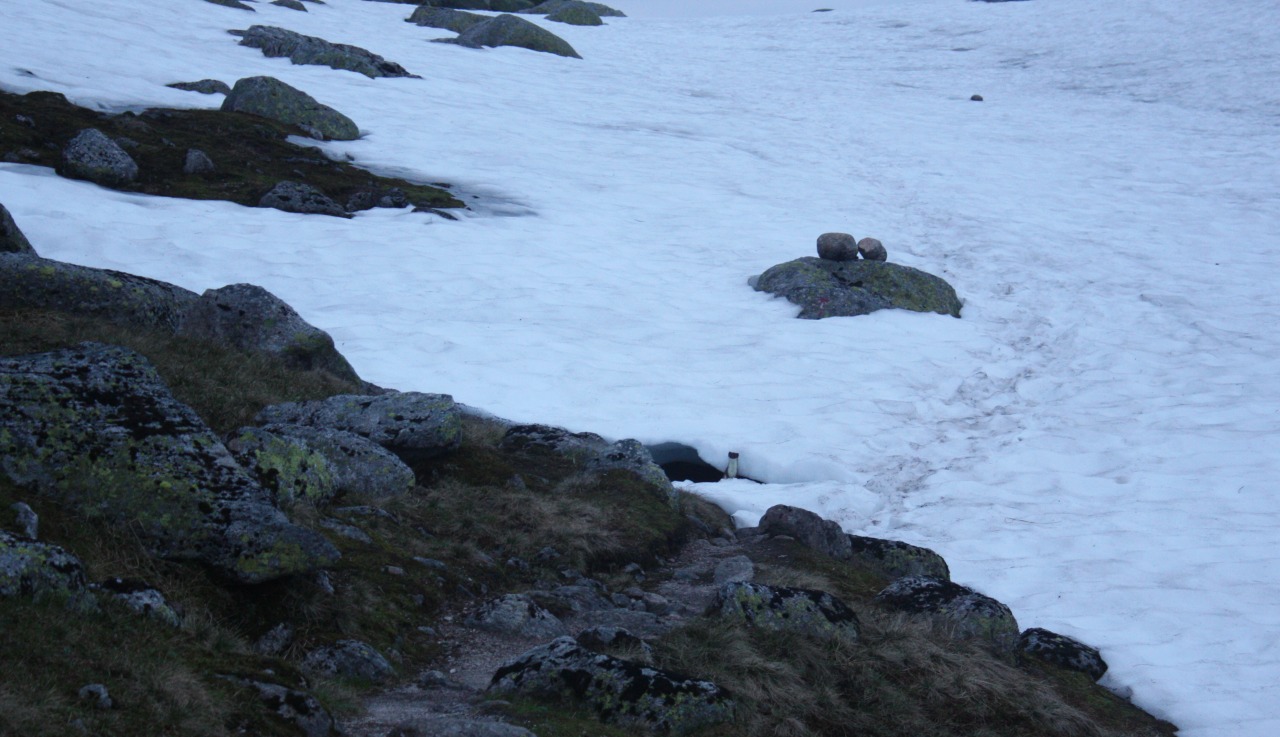
The hike begins at the paid parking area at Øygardsstølen. From the first step, the trail climbs steadily through rocky terrain with loose gravel and uneven steps. This initial section demands careful footing and a steady pace. Do not rush it. The elevation gain is relentless, and the real work begins after the first hour.
You then enter the boulder fields. This is where the route becomes more technical. Navigating the scattered rocks requires focus, agility, and patience. Poles can help, but many hikers prefer free hands for balance here. The views of Lysefjorden open up during this section, and they are already impressive. Do not stop too long—the best is ahead.
The ridge walk follows. The trail narrows, and the drops on either side become serious. Wind is common here, and fog can roll in without warning. This section is exposed and should be treated with caution. If the wind is strong or visibility poor, consider turning back. The ridge leads directly to the final push toward Kjeragbolten.
The approach to the boulder involves a short, steep climb. You will see other hikers posing for photos. The boulder itself is wedged between two rock walls, and stepping onto it requires a deliberate, careful movement. The drop beneath is nearly 1,000 metres. Only step onto the boulder if you are comfortable with exposure and the conditions are dry and calm. Do not attempt it in wet or windy weather. If you are unsure, admire it from solid ground—the view is still extraordinary.
Beyond the boulder, the trail continues to the true summit of Kjerag. This section is less traveled and offers wider panoramas of the fjord and surrounding peaks. It is a good place to rest, eat, and absorb the achievement before beginning the descent.
The descent is as challenging as the ascent. Loose gravel and steep sections require careful foot placement. Many hikers find the downhill harder on the knees and concentration. Allow the same time for descent as ascent, and do not rush.
What to Watch For
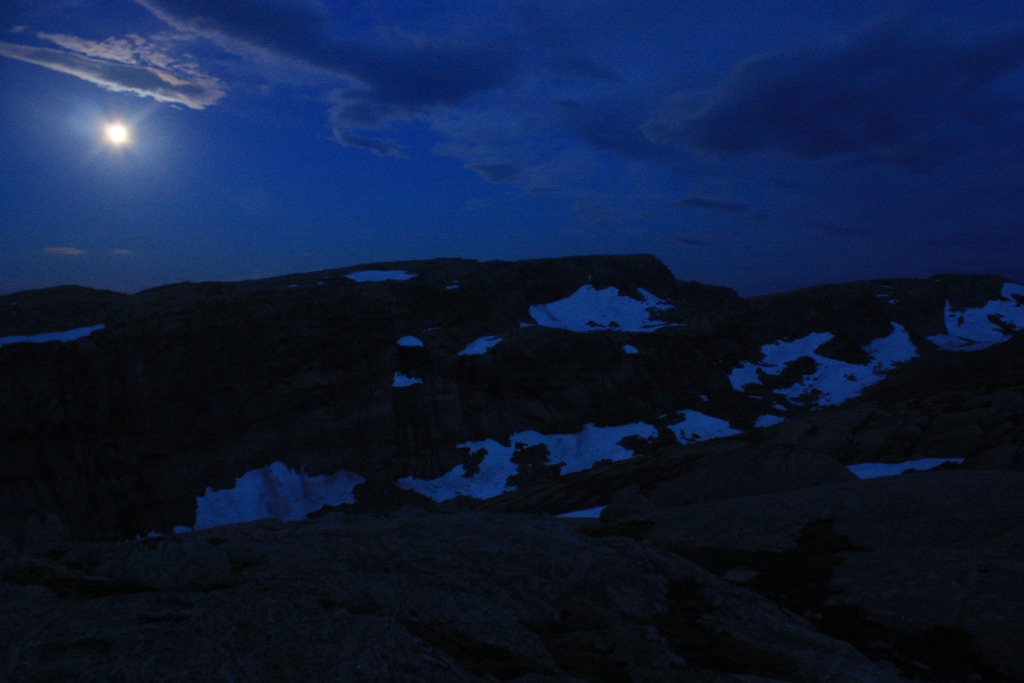
Weather shifts are the primary risk. Rogaland weather changes fast. A sunny start can turn into wind, rain, or fog within an hour at elevation. Check the forecast before you leave, and carry waterproof layers, a warm hat, and gloves even on a clear morning. If conditions deteriorate on the ridge, turn around. The boulder will still be there another day.
Footing is everything. The trail is rocky, loose, and uneven. Sturdy, ankle-supporting hiking boots with good grip are non-negotiable. Trail runners or approach shoes are not adequate for this terrain.
Start early. The trail gets busy in July and August. Starting around 7–8 AM gives you better light, fewer people on the ridge, and more time to handle unexpected delays. Parking fills early in peak season.
Carry enough water and food. There are no facilities on the trail. Pack at least 2 litres of water per person, plus high-energy snacks and a packed lunch. The summit is a good place for a proper break.
Respect the boulder. Kjeragbolten is a natural feature, not a manufactured attraction. It is dangerous in wet or windy conditions. If you are not comfortable with the exposure, do not step onto it. There is no shame in staying on solid ground.
Leave no trace. Kjerag is a protected area. Pack out all trash, stay on the marked trail, and do not disturb the rock formations or vegetation. This applies to everyone, including photographers and BASE jumpers.
Consider a guide if you are unfamiliar with Norwegian mountain terrain. Local guides know the route, the weather patterns, and the safety considerations. For hikers new to Norway or to this level of exposure, a guide adds confidence and security.
The SummitClimbs Take
Kjerag delivers exactly what it promises: a thrilling, physically demanding hike to one of the most dramatic cliff features in Europe. It is not a walk in the park, and it should not be approached casually. The exposure is real, the terrain is rough, and the weather can turn a good day into a bad one quickly.
But for hikers who prepare properly, the reward is genuine. The view of Lysefjorden from the ridge is among the best in Norway. Standing on the boulder—if conditions allow—is a moment you will remember long after the adrenaline fades. And the quieter, wilder feel of the trail compared to Preikestolen makes the effort feel earned.
Kjerag suits the hiker who wants a proper mountain day, not a tourist photo stop. If that describes you, put it on your Norway plan. If you are looking for an easier introduction to the region, start with Preikestolen and build up to this one. Either way, go prepared, go early, and respect the mountain.
Keep the Trails Alive
Summit Climbs is free — no ads, no paywalls, no sponsored fluff.
Every guide is written from real experience to help your next adventure.
If it helped, a small support means the world and keeps the site running.