
Trolltunga is one of Norway’s most breathtaking natural wonders, a sheer cliff that defies gravity as it juts 700 metres above the shimmering waters of Ringedalsvatnet lake. Perched at 1,126 metres above sea level in Ullensvang Municipality, Vestland county, this iconic rock formation—whose name translates to “the troll tongue”—has become a symbol of Norway’s wild, untamed beauty. What was once a hidden gem known only to locals has transformed into a bucket-list destination for adventurers from around the world, drawing over 80,000 hikers annually to its dramatic edge.
The Geological Marvel: How Trolltunga Was Formed
The story of Trolltunga begins hundreds of millions of years ago, long before humans set foot in these mountains. The cliff is part of the Hardangervidda plateau, a vast expanse of ancient bedrock shaped by the relentless forces of ice and time. During the last Ice Age, massive glaciers carved deep valleys and sculpted the jagged peaks that define Norway’s landscape today. As the ice retreated, it left behind the sheer drop of Trolltunga, a testament to the raw power of nature.
The rock itself is a mix of Precambrian gneiss and granite, some of the oldest geological formations in Northern Europe. Over millennia, wind, water, and frost have polished its surface, creating the smooth, almost surreal ledge that now captivates visitors. Standing on Trolltunga, you’re not just witnessing a geological wonder—you’re stepping onto a piece of Earth’s history.
What Makes Trolltunga So Unique?
Trolltunga isn’t just another scenic viewpoint—it’s an experience that blends awe, challenge, and sheer exhilaration. Here’s what sets it apart from other Norway hiking trails:
- Unmatched Drama — Few places in the world offer a vantage point as dramatic as Trolltunga. The cliff’s horizontal protrusion creates the illusion of floating above the valley, with nothing but air between you and the lake below.
- Cultural Legend — Norwegian folklore is rich with tales of trolls, and Trolltunga’s name hints at its mythical origins. Some say the cliff was once the tongue of a giant troll, frozen in stone as punishment for defying the sun.
- Photographic Icon — The image of a lone hiker perched on Trolltunga’s edge has become synonymous with Norwegian mountains and Northern Europe outdoor adventures. It’s a shot that defines the spirit of exploration.
- Accessible Wilderness — Despite its remote feel, Trolltunga is reachable from Skjeggedal, a village that serves as the trailhead. This balance of accessibility and untouched nature makes it a must-visit for anyone planning a visit to Norway.
But perhaps the most compelling aspect of Trolltunga is the sense of accomplishment it brings. This isn’t a casual stroll—it’s a 27-kilometre round-trip hike with 900 metres of elevation gain, demanding both physical endurance and mental resilience. Those who reach the top are rewarded with a view that stays with them forever.
How to Get to Trolltunga
Reaching Trolltunga requires some planning, but the journey is part of the adventure. Here’s what you need to know:
Starting Points
- Skjeggedal — The most common trailhead, located about 7 kilometres from the village of Tyssedal. This is where the standard 27-kilometre round-trip hike begins. Parking is available, but it fills up quickly in peak season (June–September).
- P3 Parking Lot (Alternative Route) — A newer, steeper trail starts here, reducing the hike to 20 kilometres round-trip. This route is less crowded but more demanding, with a 1,100-metre elevation gain in just 4 kilometres.
Getting There by Car
The drive to Skjeggedal is an adventure in itself, winding through fjord landscapes and mountain passes. From Bergen, the journey takes about 3 hours; from Oslo, it’s roughly 5.5 hours. If you’re relying on public transport, buses run from Odda to Skjeggedal during the hiking season, but schedules are limited—check ahead.
Guided Tours and Transport
For those who prefer not to drive, several companies offer guided hikes or shuttle services from nearby towns like Odda or Bergen. These can be a great option if you want to focus on the hike without worrying about logistics.
What to Expect on the Trail
The hike to Trolltunga is not for the faint of heart. It’s a full-day commitment, typically taking 10–12 hours to complete, depending on your pace and fitness level. Here’s a breakdown of what to expect:
The Route
The trail begins with a steep ascent through rocky terrain and switchbacks, quickly gaining elevation. Early on, you’ll pass the Mågelitopp viewpoint, a great spot to catch your breath and admire the surrounding Norwegian mountains. From there, the path levels out slightly as it crosses the Hardangervidda plateau, offering sweeping views of the Ringedalsvatnet lake and distant peaks.
As you near Trolltunga, the landscape becomes more rugged, with boulders, scree, and uneven ground. The final stretch is a scramble over rocks, but the effort is worth it—the moment you step onto the cliff’s edge is unforgettable.
Weather and Conditions
Weather in the mountains can change in an instant. Even in summer, temperatures can drop below freezing, and fog, rain, or even snow are not uncommon. The trail is often muddy and slippery, so sturdy footwear is a must. Always check the Norwegian Meteorological Institute’s forecast before setting out, and be prepared to turn back if conditions worsen.
Crowds and Timing
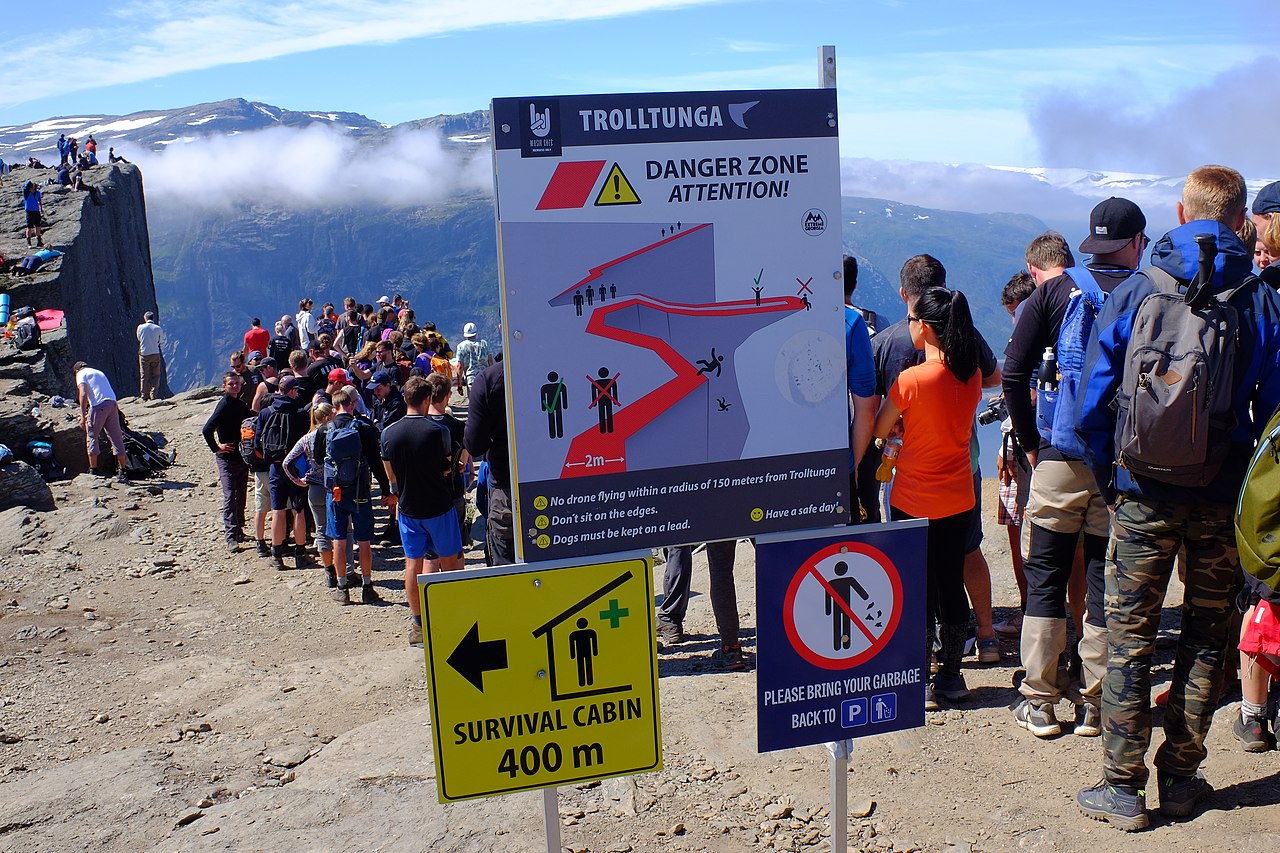
Trolltunga’s popularity means the trail can get crowded, especially in July and August. To avoid the masses, consider starting early in the morning (4–5 AM) or hiking in June or September, when the weather is still favourable but the crowds are thinner. If you’re visiting in winter or early spring, the trail is closed due to avalanche risk—only experienced mountaineers with proper gear should attempt it.
Emergency Cabins
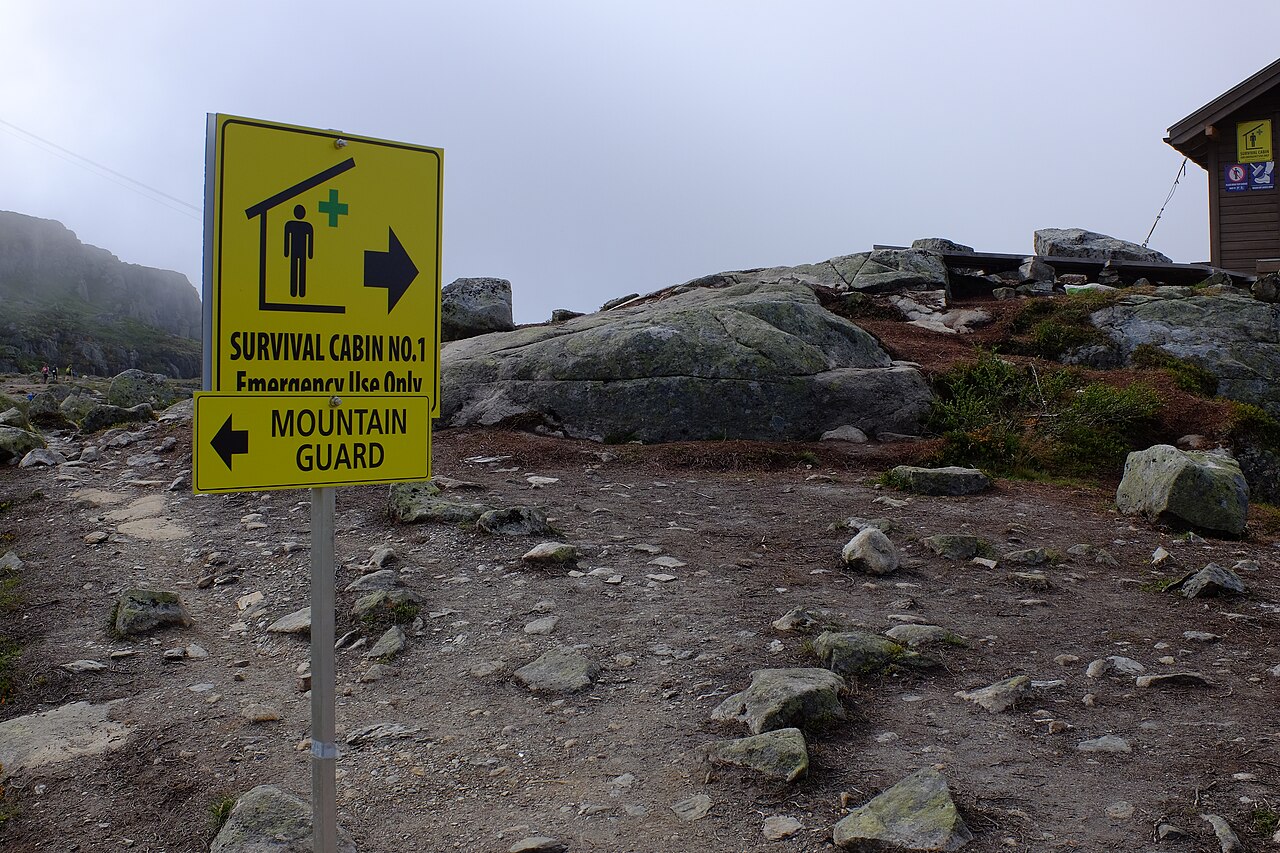
While there are no shelters or supply stops along the trail, there are two emergency cabins—one near the start and another roughly halfway. These are for emergencies only, so don’t rely on them for rest stops. A lodge is planned for the future, which will provide a welcome respite for hikers, but for now, you’re on your own.
Practical Tips for a Successful Hike
Trolltunga is a serious undertaking, and preparation is key. Here’s how to ensure your hike is safe and enjoyable:
- Train in Advance — This is a long, strenuous hike with significant elevation gain. Build your endurance with day hikes or stair climbing in the weeks leading up to your trip.
- Pack the Essentials — Bring plenty of water (at least 2 litres), high-energy snacks, a first-aid kit, and extra layers of clothing. The weather can shift rapidly, so be prepared for anything.
- Wear the Right Gear — Sturdy hiking boots with ankle support are non-negotiable. The trail is rocky and uneven, and a good pair of boots will prevent injuries. Trekking poles can also help with stability.
- Start Early — Aim to begin your hike by 5–6 AM to avoid crowds and give yourself enough time to complete the trail before dark. Sunset in summer is late, but you don’t want to be descending in the dark.
- Know Your Limits — If you’re not feeling well or the weather turns bad, turn back. The mountain will always be there, and it’s better to be safe than sorry.
- Respect the Environment — Trolltunga is part of a fragile ecosystem. Stick to the trail, pack out all trash, and leave no trace. This ensures the area remains pristine for future hikers.
- Capture the Moment—But Safely — The iconic photo on Trolltunga’s edge is a must, but never put yourself at risk. Stay on solid ground, avoid leaning over the edge, and be mindful of others waiting for their turn.
Beyond the Hike: Exploring the Region
While Trolltunga is the star attraction, the surrounding area offers plenty of other Norway hiking and outdoor adventures. Here are a few nearby gems to consider:
- Hardangervidda National Park — Norway’s largest national park is a paradise for hikers, with endless trails, wild reindeer herds, and stunning plateaus. It’s a great place to extend your adventure after Trolltunga.
- Låtefossen Waterfall — One of Norway’s most famous waterfalls, this double cascade is easily accessible from the road and makes for a refreshing detour on your way to or from Trolltunga.
- Odda — This charming town is the gateway to Trolltunga and offers cozy cafes, local shops, and a glimpse into Norway’s industrial history. It’s a great place to rest and refuel after your hike.
- Hardangerfjord — Known as the “Queen of the Fjords,” this stunning waterway is perfect for kayaking, boat tours, or simply soaking in the views. It’s a scenic drive from Trolltunga and well worth the trip.
Why Trolltunga Should Be on Your Bucket List
Trolltunga is more than just a hike—it’s a rite of passage for adventurers, a chance to test your limits and stand on the edge of one of the most spectacular landscapes in Northern Europe. The journey is challenging, but the reward is unparalleled: a sense of accomplishment, a connection to Norway’s wild heart, and a view that will leave you breathless in more ways than one.
Whether you’re an experienced hiker or a first-time visitor to Norway, Trolltunga offers an experience that’s as unforgettable as it is humbling. It’s a reminder of the power of nature, the thrill of exploration, and the beauty of pushing beyond your comfort zone. So lace up your boots, pack your sense of adventure, and set out to conquer the troll’s tongue—you won’t regret it.
Keep the Trails Alive
Summit Climbs is free — no ads, no paywalls, no sponsored fluff.
Every guide is written from real experience to help your next adventure.
If it helped, a small support means the world and keeps the site running.