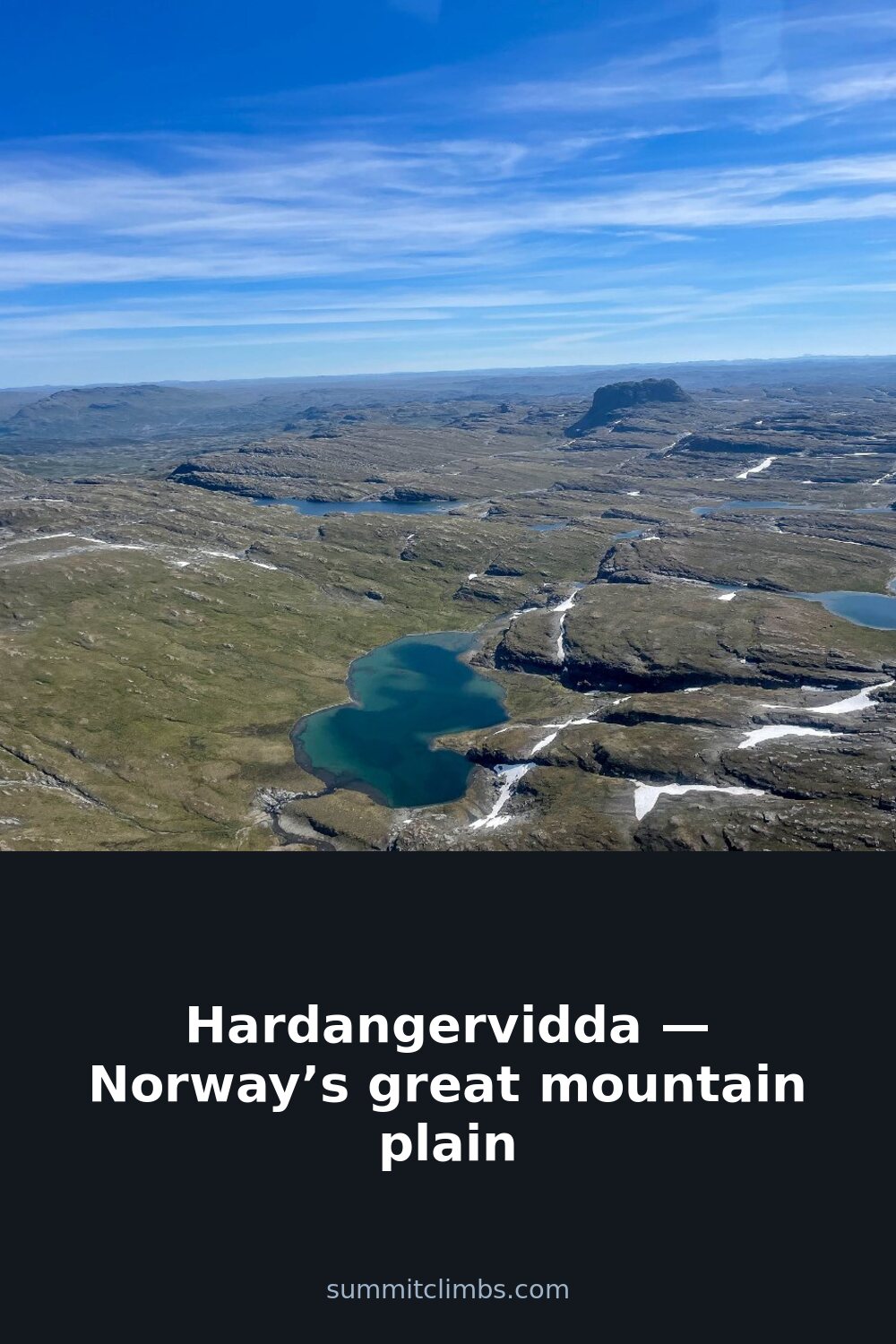
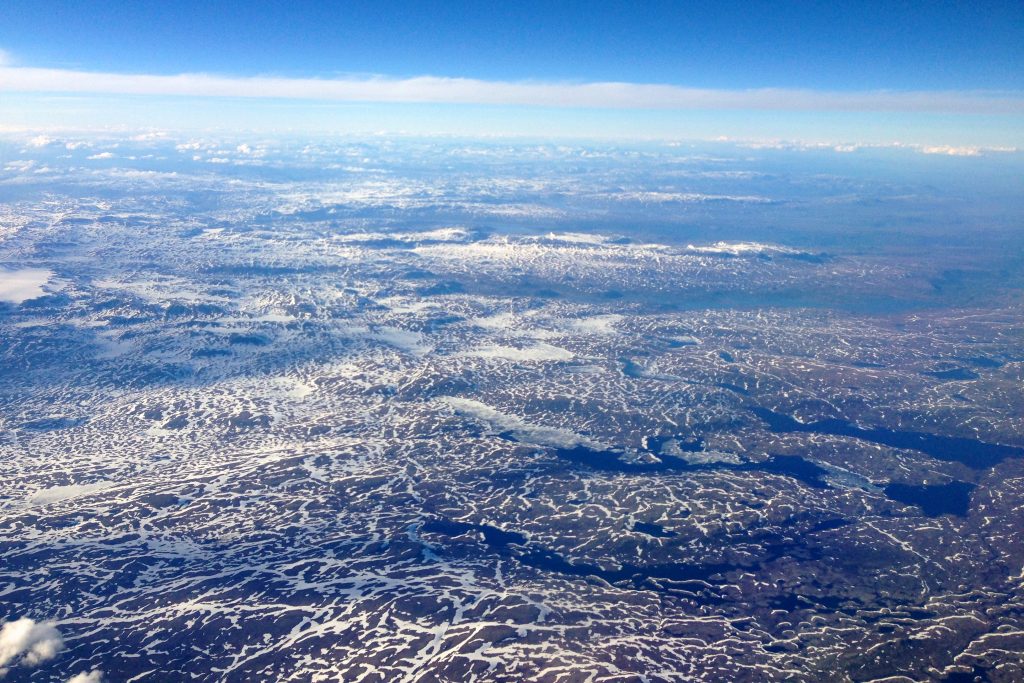
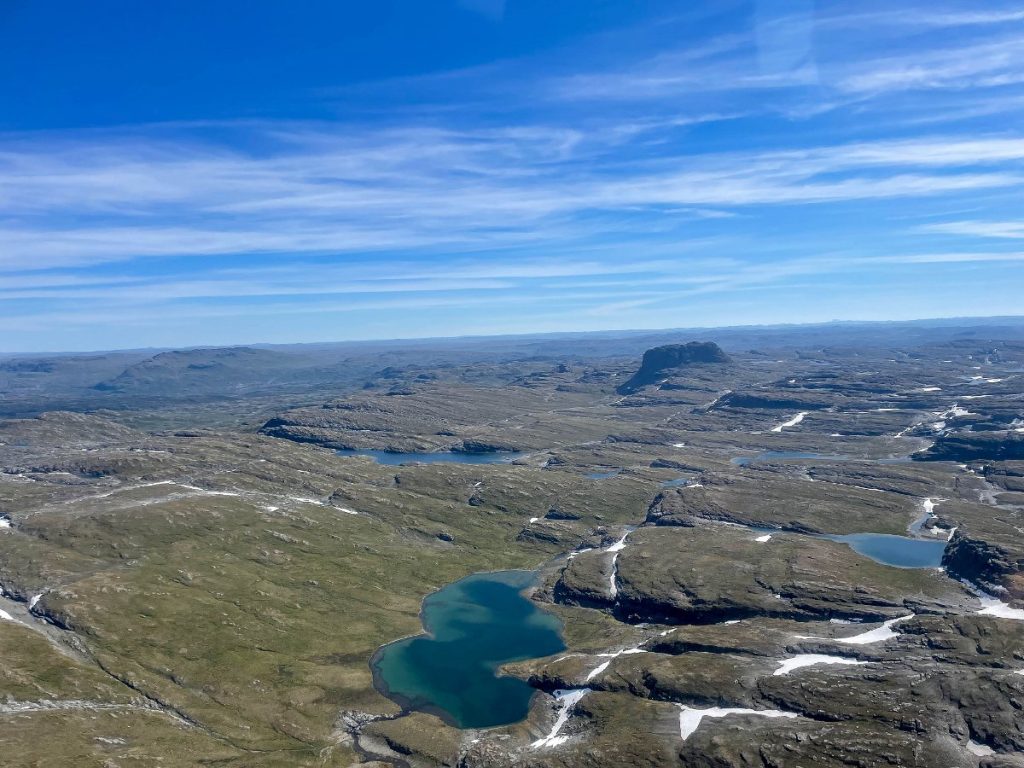
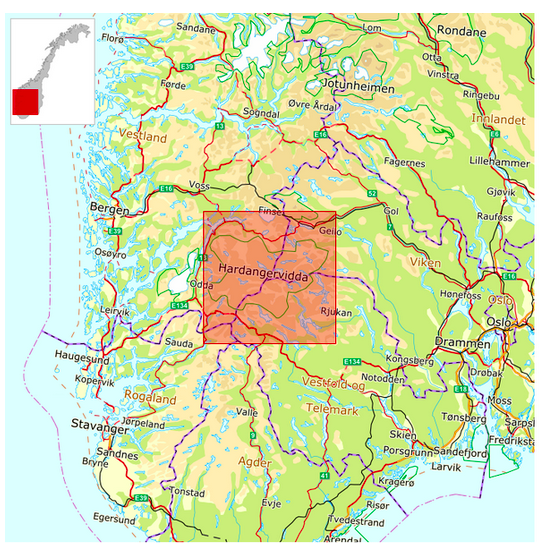
SummitClimbs Field Note: Hardangervidda is not a mountain in the classic sense—no sharp peak, no summit push. It is a plateau, a vast, treeless highland that stretches across southern Norway like a raised, wind-scoured deck. At roughly 3,400 km², much of it protected as Hardangervidda National Park (established 1981), this is the largest mountain peneplain in Northern Europe. What it lacks in vertical drama it makes up for in exposure, scale, and the kind of quiet that makes you hear your own heartbeat. This is a place for walkers, skiers, and route-finders who value open horizons over summit views.
Why This Place Belongs on a Norway Mountain Plan
If your Norway itinerary is built around fjord-side villages and the Lofoten peaks, Hardangervidda offers a different kind of reward: the experience of traveling across a landscape that feels both ancient and alive. The plateau’s bedrock is old—Precambrian and Cambro-Silurian—but its present form is the work of repeated Quaternary glaciations. Ice sheets scoured the rock, carved shallow valleys, and left behind a mosaic of lakes, bogs, and moraine. The result is a terrain that is smoother in the east, where the ice flowed more evenly, and rougher and wetter in the west, where the geology is harder and the precipitation higher.
This is also one of Europe’s last strongholds for wild reindeer. The herd here is large and migratory, and their trails have shaped human use of the plateau for millennia. Archaeologists have found hunting stations, stone hut remains, and middens thick with reindeer bone—evidence of organized communal drives that predate the Viking Age. Those same passes and routes later connected fjord communities with inland valleys, used for summer grazing, trade, and seasonal movement. Hardangervidda was never a battlefield; it was a practical landscape of subsistence and mobility.
The SummitClimbs Snapshot
- What it is: A vast, treeless mountain plateau (peneplain), mostly protected as Hardangervidda National Park.
- Best for: Multi-day hiking (summer), ski touring (winter/spring), solitude, wildlife observation, and route-finding practice.
- Not for: Climbers seeking technical peaks, or travelers who want quick, weather-proof day trips without preparation.
- Seasonal window: July–August for easiest conditions and full hut services; May and September for fewer people but more unpredictable weather.
- Access: Via road from Bergen, Oslo, or the Hardanger region. Popular trailheads include Finse, Haukeliseter, and the Trolltunga area.
- Key infrastructure: DNT (Norwegian Trekking Association) hut network—staffed, self-service, and unstaffed cabins. Marked trails but navigation skills essential.
- Wildlife highlight: Wild reindeer, Arctic fox (conservation programs active), ptarmigan, and waders.
Route Reality and Local Conditions
Hardangervidda changes character completely with the season. In summer (June–September), the plateau is a walker’s landscape: long daylight, accessible trails, and lakes that hold Arctic char and trout. But do not mistake openness for ease. The terrain is boggy in sections, the weather can shift from warm sun to cold wind and rain within an hour, and the tundra offers no natural shelter. Popular day-hikes like Trolltunga—on the western edge of the Hardanger region—draw crowds in July and August, and you will share the trail. For a quieter experience, head east or north, where the routes are less frequented.
Multi-day treks are feasible thanks to the DNT hut network. Routes are marked, but maps and GPS are essential—fog can drop visibility to a few meters, and landmarks vanish. The classic crossing from Finse to Haukeliseter or the Rallarvegen (part of the Bergen–Oslo railway route) are well-trodden but still require self-reliance. Water sources are plentiful, but you should carry a filter or treatment method.
Autumn brings dramatic colors and fewer people, but the weather becomes unpredictable quickly. Frost can arrive in September, and snow can close higher sections by October. This is a good season for solitude and photography if you are well equipped and flexible with your schedule.
Winter and spring transform the plateau into a ski-touring destination. Travel becomes a genuine expedition: strong cold, long nights, and avalanche awareness near any steep terrain. Snowmobile and ski-use regulations vary by area, and the DNT huts operate on a reduced schedule. This is not a place for casual winter recreation—come with experience, a partner, and a solid plan.
What to Watch For
- Weather: The plateau generates its own weather. Expect rapid changes, strong winds, and rain or snow even in summer. Always carry warm layers, a waterproof shell, and a reliable navigation system (map, compass, and backup GPS).
- Bog and water crossings: Trails can be wet and muddy. Waterproof boots and gaiters are worth the weight. Streams can rise quickly after rain—know your crossing points and be prepared to wait.
- Reindeer and herding: The wild reindeer herd is sensitive to disturbance. Avoid approaching animals, especially during calving (May–June) and migration periods. Keep dogs on leash or leave them home—park rules are strict.
- Hut etiquette and booking: Staffed huts require advance booking in peak season. Self-service huts are open but require you to bring your own food and sleeping bag. Unstaffed huts are basic—check the DNT website for current status.
- Rescue and self-reliance: Rescue services are active, but response times can be long in remote areas. Leave your plan with someone, carry a personal locator beacon if traveling solo, and do not rely on mobile phone coverage—it is patchy at best.
- Trolltunga crowds: If you hike to Trolltunga, expect heavy foot traffic in July and August. Start early, follow local guidance, and consider a guided tour if you prefer company and extra safety. Parking and transport require advance planning.
The SummitClimbs Take
Hardangervidda is not a place you conquer. It is a place you move through, on foot or skis, with respect for its scale and its weather. The plateau rewards preparation and patience: the long views, the quiet, the sight of reindeer moving across the tundra, and the sense that you are walking through a landscape that has been used and traveled for thousands of years. It is not for everyone—the lack of dramatic peaks and the need for self-reliance can feel underwhelming to climbers used to vertical objectives. But for those who value open space, route-finding, and the kind of travel that requires you to read the ground and the sky, Hardangervidda is a destination worth building a trip around.
Come in summer for the easiest conditions and the hut network. Come in autumn for solitude and color. Come in winter only if you have expedition experience and a partner. And whenever you come, tread lightly, carry your own safety, and leave the plateau as you found it. That is the SummitClimbs way.
Keep the Trails Alive
Summit Climbs is free — no ads, no paywalls, no sponsored fluff.
Every guide is written from real experience to help your next adventure.
If it helped, a small support means the world and keeps the site running.