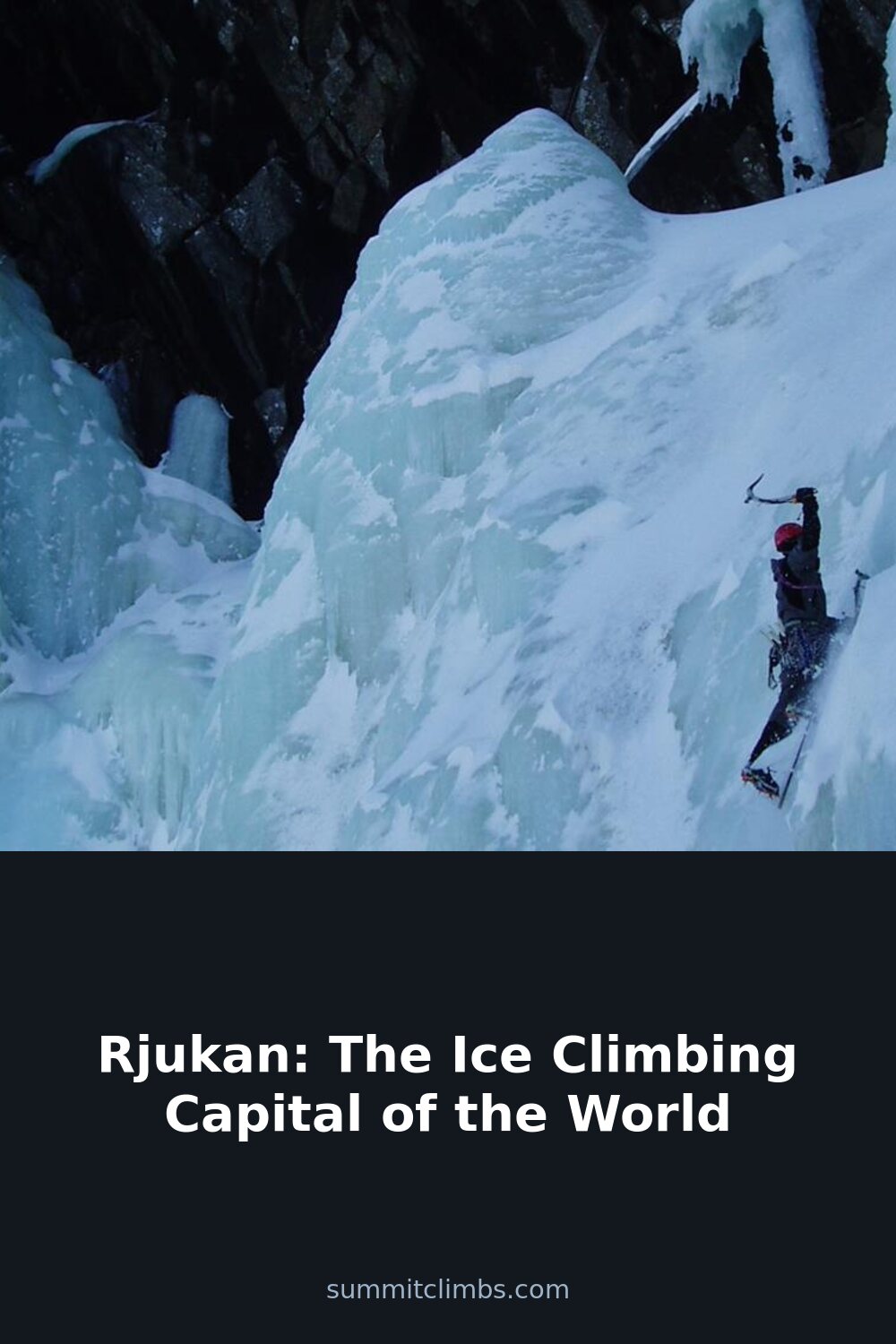
SummitClimbs Field Note: Rjukan sits deep in a Telemark valley, a place where winter darkness and frozen waterfalls define the season. For ice climbers, this is not hype—it is the real deal. The town delivers reliable ice from December through March, with routes ranging from roadside beginner flows to multi-pitch testpieces that demand respect. The community is knowledgeable, the infrastructure is built for climbers, and the conditions, when they align, are world-class. But this is Norway in winter: weather windows are narrow, daylight is scarce, and the cold is serious. Come prepared, or hire someone who is.
Why This Place Belongs on a Norway Mountain Plan
Rjukan is not a climbing destination that happens to have ice. It is a town shaped by water, industry, and a specific winter climate that transforms its waterfalls into some of the most consistent ice climbing terrain on the planet. The valley’s geography—steep, shaded, and cold—creates conditions that freeze cascades reliably, year after year. That reliability, combined with easy access from the town center, is what separates Rjukan from more remote ice venues.
The climbing history here runs deep. Local pioneers like Arne Randers Heen were establishing routes on frozen waterfalls in the 1930s, long before ice climbing became a global sport. That legacy is still visible in the lines that get climbed today. The town’s industrial past, centered on the Vemork hydroelectric plant and its role in heavy water production during World War II, adds a layer of historical depth that few climbing destinations can match. But the primary draw remains the ice: clean, thick, and varied enough to suit anyone from a first-time ice climber to a seasoned veteran looking for steep, technical terrain.
The SummitClimbs Snapshot
- Best season: December through March. January and February typically offer the most consistent ice conditions and the coldest temperatures.
- Route range: Beginner-friendly single-pitch flows (Krokan) to demanding multi-pitch columns (Søylegangen) and overhanging testpieces (Ozzimosis).
- Access: Many routes are within a short walk from the town center. No long approaches, no glacier crossings, no complicated logistics.
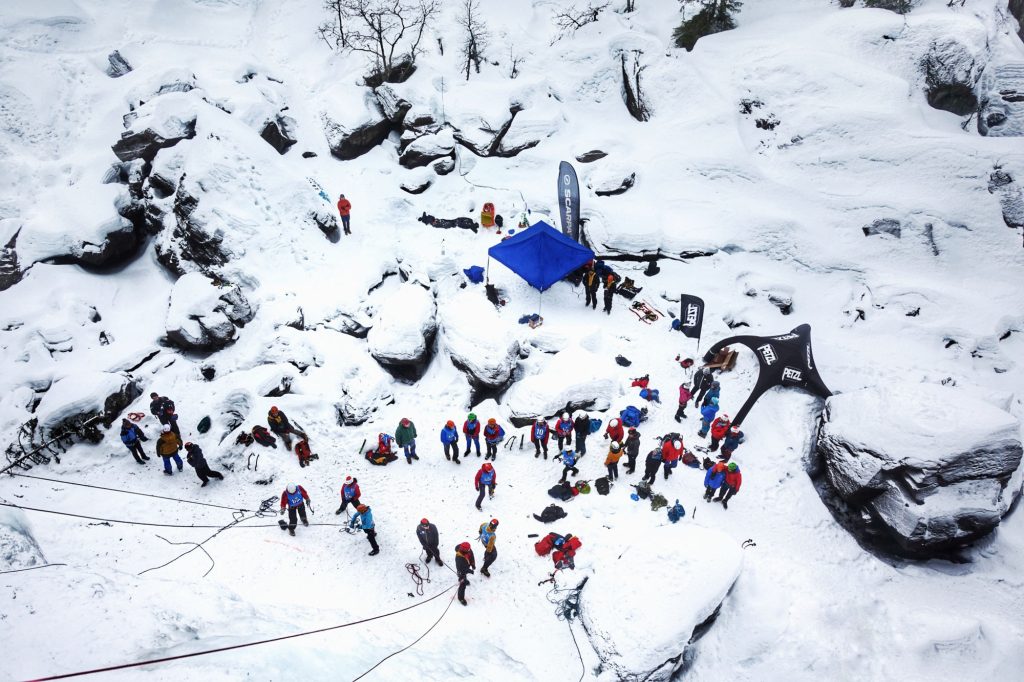
- Crowds: The Rjukan Ice Festival in February draws significant numbers. Outside that window, the valley is busy but not overwhelming, especially on weekdays.
- Guiding and gear: Multiple guiding services operate in town. Gear rental is available, but quality and sizing vary—check ahead and bring your own boots and crampons if you have them.
- Daylight: The deep valley means limited direct sun in winter. Climbing days are short. Plan to start early and finish before the light fades.
- Off-ice activities: The Norwegian Industrial Workers Museum at Vemork, the Krossobanen cable car, and the town’s sun mirrors are worth visiting if weather or rest days force you off the ice.
Route Reality and Local Conditions
The ice in Rjukan forms on a series of waterfalls that line both sides of the valley. The most famous and most frequently climbed routes are well documented, but conditions change every season. Ice thickness, quality, and accessibility depend on temperatures, snowfall, and how much water is flowing behind the frozen surface. Local guidebooks and recent reports from guiding services are essential—do not rely solely on old beta.
Krokan is the classic introductory route. It is a gentle, low-angle flow that sees a lot of traffic. Beginners will find it forgiving, but it is also a good warm-up for more experienced climbers. Access is straightforward, and the ice tends to form early in the season. Expect a queue on weekends.
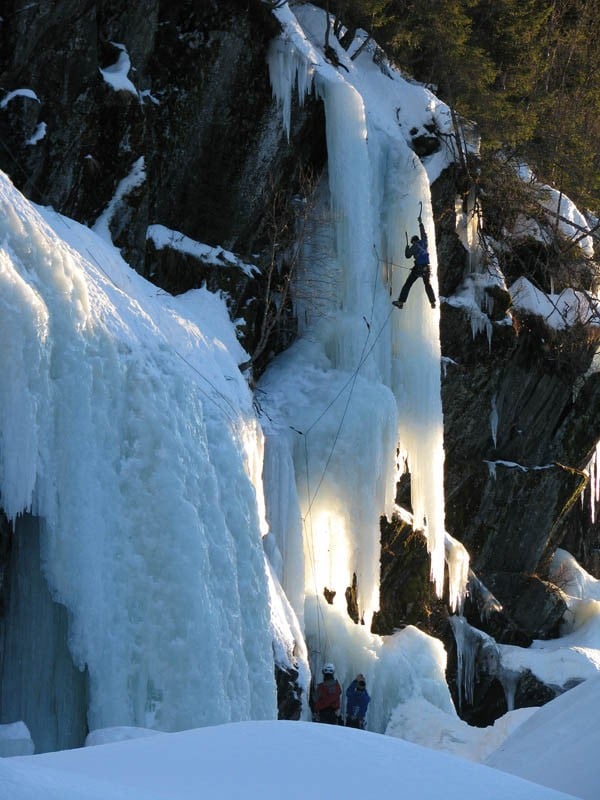
Ozzimosis is the opposite end of the spectrum. Named after Ole Johan Øvstedal, this route features overhanging ice and demands strong technique, solid footwork, and a willingness to commit to steep, exposed moves. It is not a first-day route, and it is not a route to underestimate. Check conditions carefully—the overhanging sections can be brittle or hollow if the freeze-thaw cycle has been unstable.
Søylegangen is a multi-pitch line that ascends a tall column of ice. It is a committing route that requires efficient climbing and good rope management. The ice can be variable, with sections of thin or aerated ice mixed with solid blue stuff. This is a route for parties with experience in multi-pitch ice climbing and the ability to self-rescue if needed.
Beyond these three, the valley holds dozens of other routes, both named and unnamed. Some are single-pitch and easily accessible; others require a short approach and a willingness to take a less-traveled line. The local climbing community is generally open and willing to share information, but respect their time and do not expect detailed beta from strangers at the crag.
What to Watch For
Weather windows are real. Rjukan can experience rapid changes in temperature, snowfall, and wind. A warm spell can destabilize ice, making it wet, brittle, or dangerous. A cold snap can freeze things solid again, but it can also make the ice more brittle and prone to shattering under impact. Pay attention to forecasts and be willing to change plans.
Daylight is limited. In December and January, the sun barely clears the valley walls. Climbing days are short, and the light is often flat. Headlamps are not optional—carry them and know how to climb in low light if you get caught out.
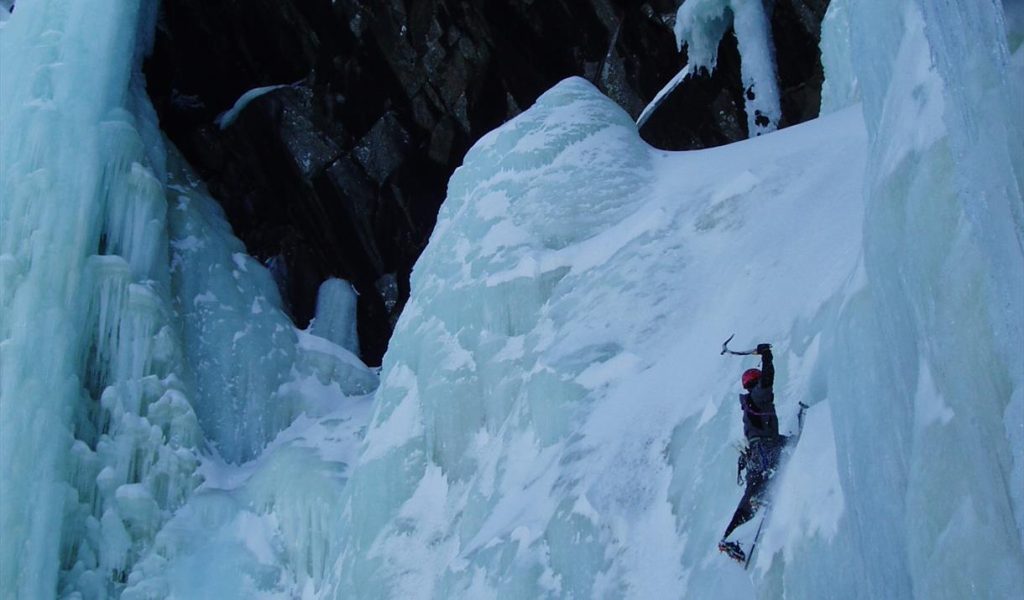
Ice quality varies by aspect. Routes on the north-facing side of the valley hold ice longer and tend to stay colder. South-facing routes can soften quickly in any direct sun, even in midwinter. Factor this into your route selection for the time of day.
Crowds during the festival. The Rjukan Ice Festival in February is a great event, but it means the town and the popular routes are busy. If you prefer solitude, plan your visit before or after the festival, or focus on less-trafficked lines.
Respect the history. The Vemork power plant and the heavy water sabotage sites are not just tourist attractions—they are part of Norway’s wartime heritage. Treat them with the seriousness they deserve. The museum is well done and worth a rest day.
The SummitClimbs Take
Rjukan earns its reputation through consistency, accessibility, and variety. It is not a place where you need to hike for hours to find climbable ice, and it is not a place where you will struggle to find routes that match your ability. The valley delivers what it promises: reliable winter ice in a setting that combines natural beauty with a rich human history.
That said, Rjukan is not a beginner’s playground unless you come with a guide or experienced partners. The ice can be unforgiving, the conditions can shift quickly, and the consequences of a mistake on a steep frozen waterfall are serious. Treat the place with respect, prepare for cold and short days, and be honest about your skill level.
For climbers who do their homework, pack appropriately, and stay flexible, Rjukan offers some of the best ice climbing on the planet. It is a destination worth traveling for, and it is a place that will test you, teach you, and leave you wanting to come back. That is the SummitClimbs take: go with a plan, climb with care, and let the ice do the talking.
Keep the Trails Alive
Summit Climbs is free — no ads, no paywalls, no sponsored fluff.
Every guide is written from real experience to help your next adventure.
If it helped, a small support means the world and keeps the site running.