
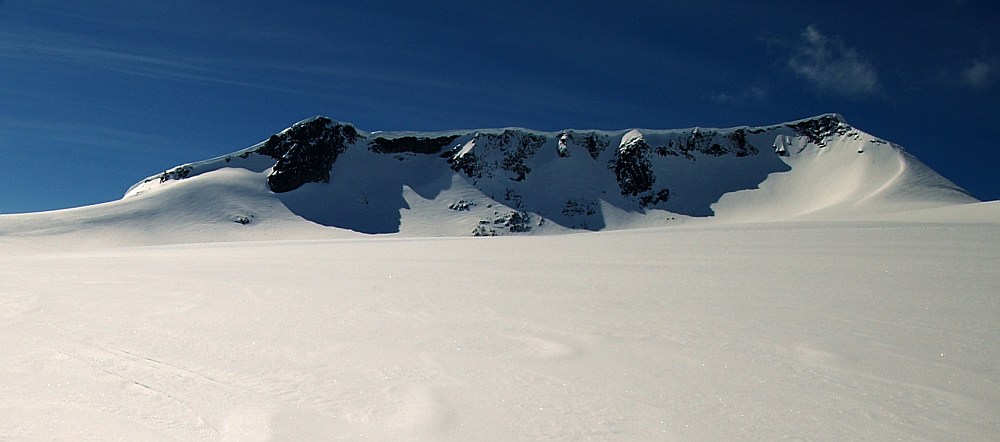
SummitClimbs Field Note: Fannaråki (2,068 m) is a 2,000-metre summit in western Jotunheimen with a staffed mountain hut right next to the top. Fannaråkhytta, open in summer, is the highest place in Norway where you can stay the night. The climb needs no special skills beyond normal fitness. From Turtagrø it is about 8 km, roughly 4–5 hours up and 3–4 hours down, and on a clear day the view takes in Skagastølstindane, Jostedalsbreen and Lodalskåpa.
A Summit With a Bed on Top
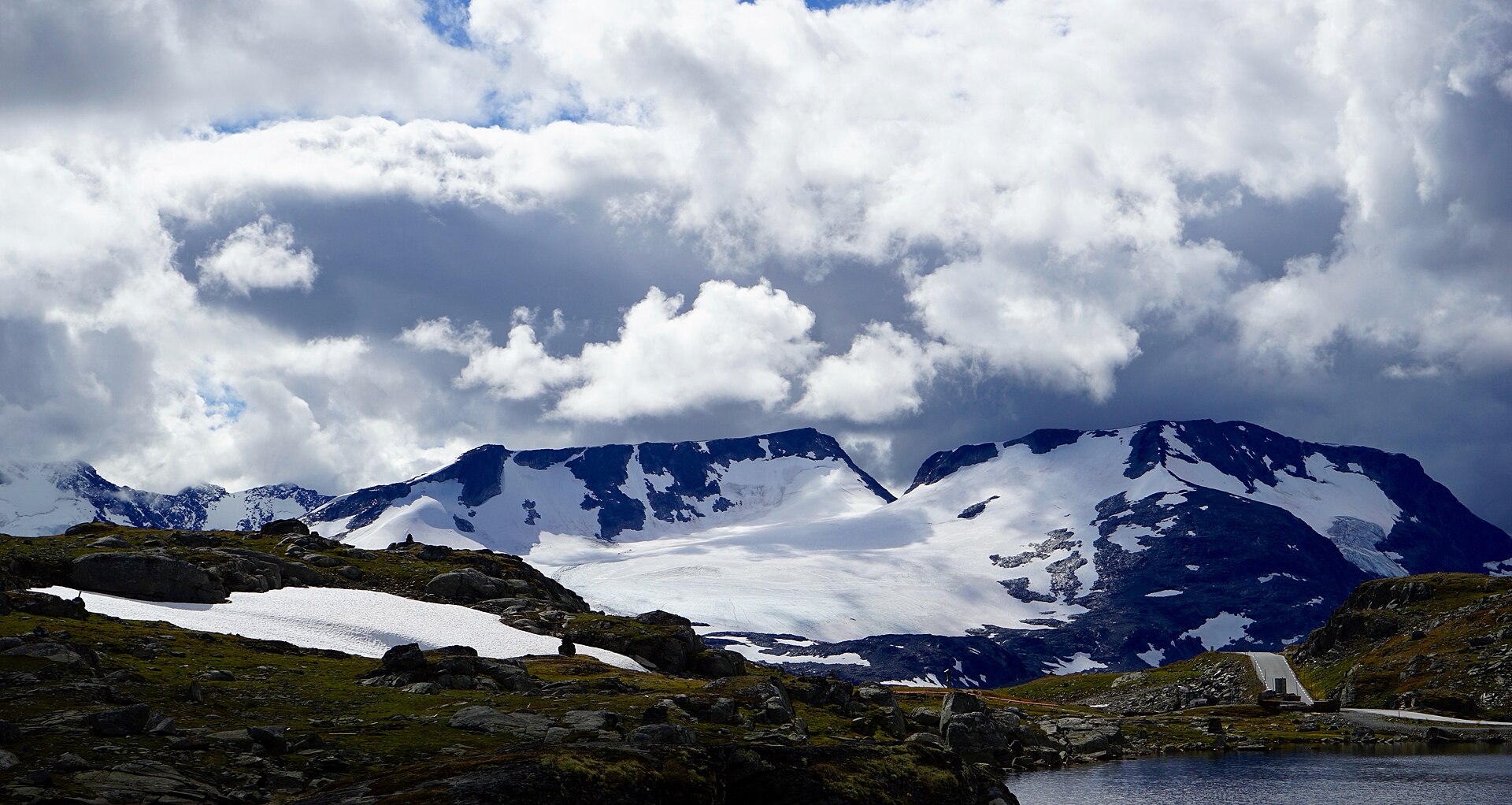
Fannaråki rises in Luster Municipality, Vestland, inside Jotunheimen National Park, just south of the lake Prestesteinsvatnet and the Sognefjellsvegen road. It is one of the westernmost summits in Jotunheimen, which is what makes the view so good. To the south, about 6 km away, stands the jagged Skagastølstindane ridge with Storen, Vetle and Midtre Skagastølstind, Sentraltind, Styggedalstindane and Gjertvasstind. Further west you can see Jostedalsbreen and Lodalskåpa.
The name describes the mountain well. The first part comes from fonn, a glacier made of snow, and the second from råk, a mountain ridge.
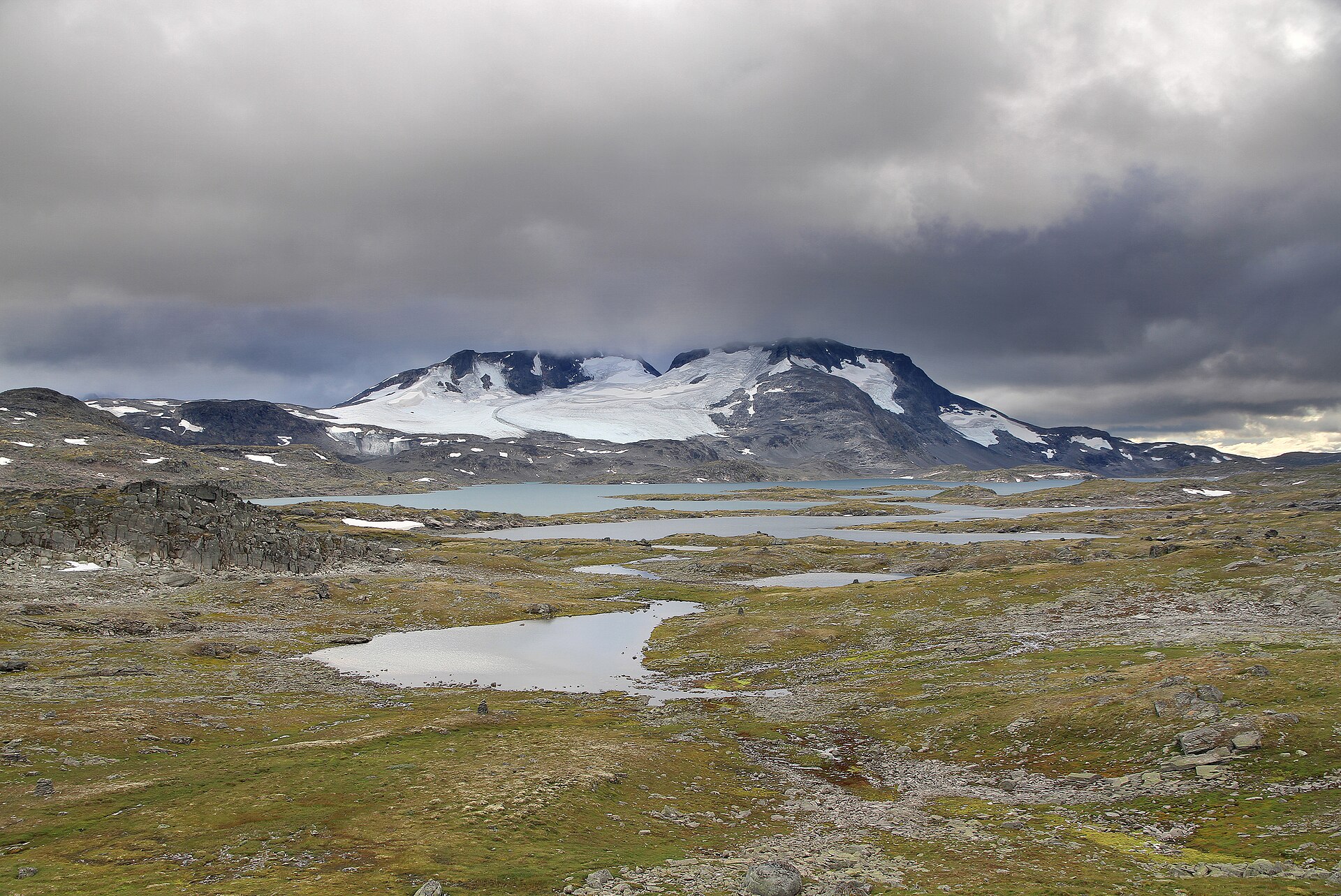
Fannaråki at a Glance
- Height: 2,068 m (6,785 ft); Norwegian sources give 2,067 m
- Location: Luster Municipality, Vestland, Jotunheimen National Park, by the Sognefjellsvegen road
- Hut: Fannaråkhytta (DNT), next to the summit, open in summer; Norway’s highest place to stay overnight
- Routes: from Turtagrø; from the Sognefjellsvegen road via Storfonni; from Skogadalsbøen via Jervvassdalen
- From Turtagrø: about 8 km, roughly 4–5 hours up and 3–4 hours down
- Difficulty: no special skills needed beyond normal fitness; a long day on rough mountain ground
- Weather record: Norway’s July low, −8.3 °C, was measured here
Three Ways Up
From Turtagrø
The classic approach starts at Turtagrø, the historic climbing hotel below Hurrungane. It is about 8 km to the summit, and at a normal mountain pace it takes roughly 4–5 hours up and 3–4 hours back down. It is a long, steady climb, and the reward is having the whole Skagastølstindane ridge in front of you near the top.
From the Sognefjellsvegen road
Fannaråki can also be climbed from the Sognefjellsvegen road via Storfonni, on the north side of the mountain. Ask locally about snow conditions on this side before you go, especially early in summer.
From Skogadalsbøen
For hikers on a multi-day Jotunheimen trip, the route from the Skogadalsbøen hut through Jervvassdalen makes Fannaråki part of a bigger traverse, with a night at the top as the highlight.
A Weather Station Turned Mountain Hut
The buildings on top have an unusual history. From 1926 to 1978 the Norwegian Meteorological Institute ran a staffed weather observatory on the summit, and the Norwegian Trekking Association (DNT) had a room with two beds there. In 1934 DNT built a tourist hut with 14 beds next to the weather station. When the observatory moved down to Sognefjellshytta in 1978, DNT took over the whole site. Since August 2012 an automatic weather station has measured temperature and air pressure on the summit.
That station tells you what to pack. Fannaråki is the weather station in Norway with the most days below freezing in a year and the coldest summer temperatures, and it holds the Norwegian July record of −8.3 °C. Bring warm layers, a hat and gloves even on a sunny July day.
Before You Go
- Book the hut: if you want to sleep on the summit, check Fannaråkhytta’s season and booking with DNT before you set out.
- Watch the weather: conditions on a 2,000 m summit change fast. Check yr.no for the mountain, not the valley, and turn back if cloud and wind build.
- Navigation: carry a map and compass as well as a phone or GPS; in cloud the upper slopes are hard to read.
- Autumn races: the mountain hosts an uphill race and a duathlon in the autumn, Fanaråken Opp and Fanaråken Duathlon, so expect company on those days.
The SummitClimbs Take
Fannaråki is one of the best introductions to Norway’s 2,000-metre peaks: no climbing needed, a well-known route from Turtagrø, one of the finest views of Hurrungane and Jostedalsbreen, and a bed waiting at the top. Pair it with a day at Turtagrø and a look at Store Skagastølstind, the peak you will be staring at all the way up.
Facts from Norwegian Wikipedia (Fannaråki) and Wikipedia. Always check current conditions and hut opening times before you go.
Keep the Trails Alive
Summit Climbs is free — no ads, no paywalls, no sponsored fluff.
Every guide is written from real experience to help your next adventure.
If it helped, a small support means the world and keeps the site running.