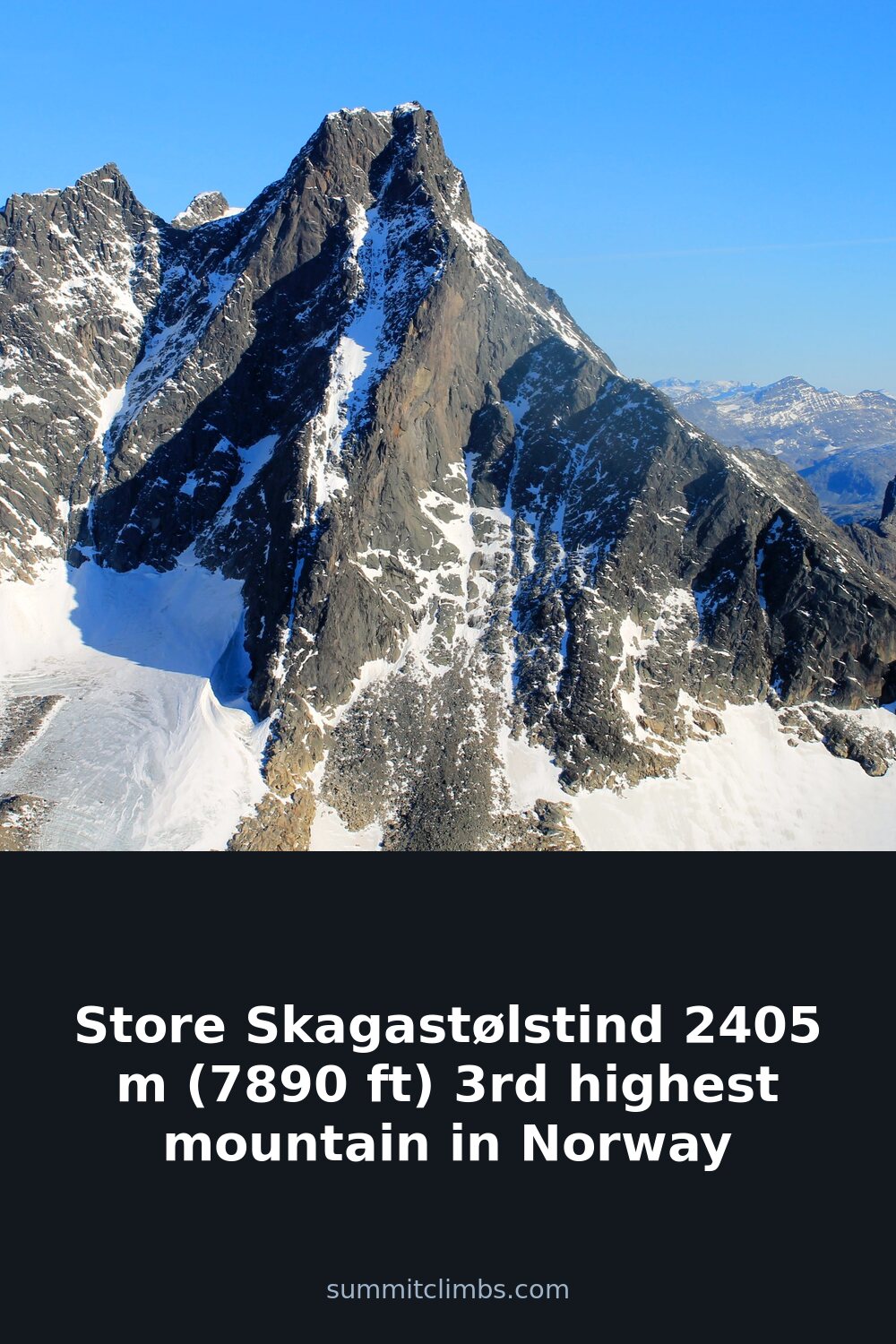
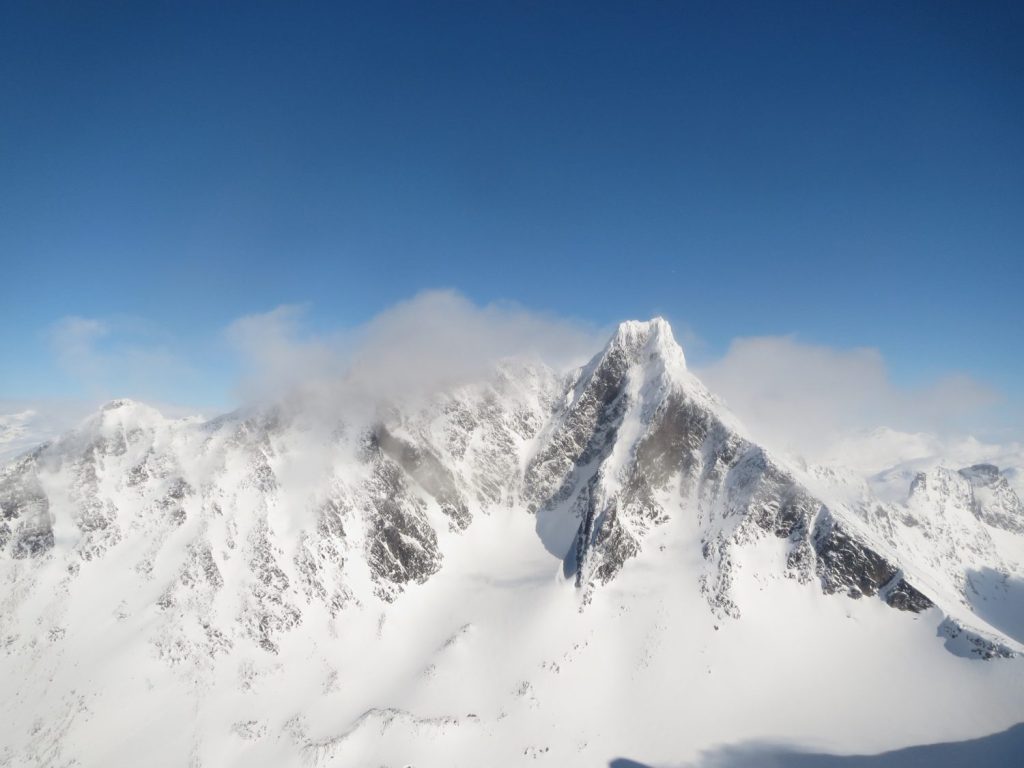
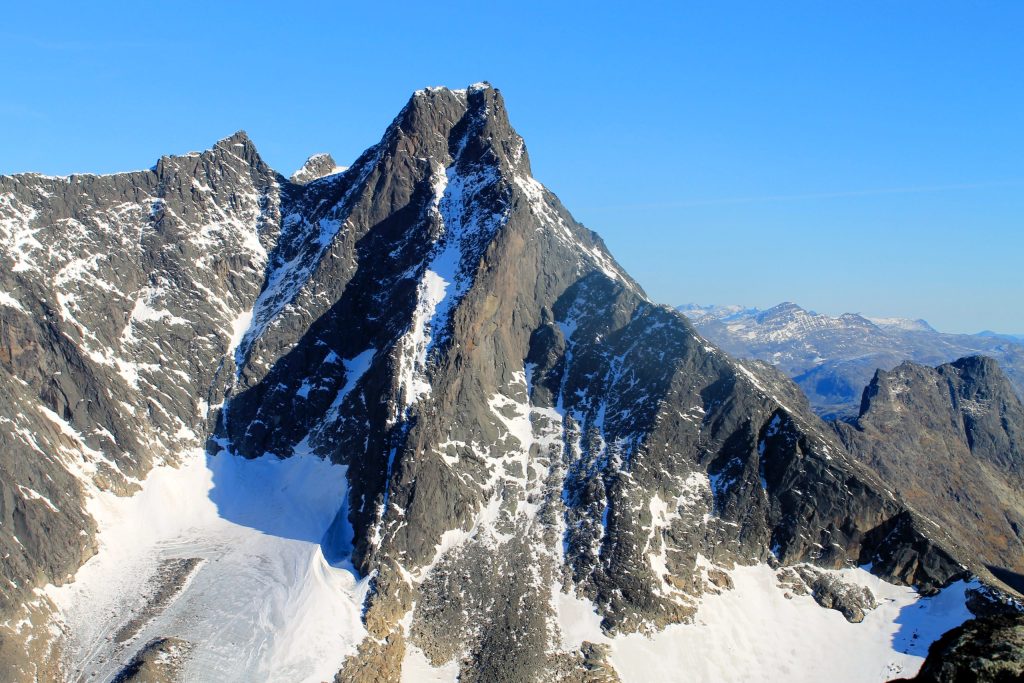
SummitClimbs Field Note: Store Skagastølstind—often called Storen—is no casual summit. At 2405 metres (7890 feet), it holds the title of Norway’s third highest peak, but height alone doesn’t tell you what this mountain demands. Perched on the border between Luster and Årdal in Vestland county, it rises within the sharp-edged Hurrungane range, a landscape that rewards serious mountaineers with clean lines and real exposure. This is not a walk-up. It is a route that asks for solid rope skills, weather judgment, and respect for the history etched into every ridge and couloir.
Why This Place Belongs on a Norway Mountain Plan
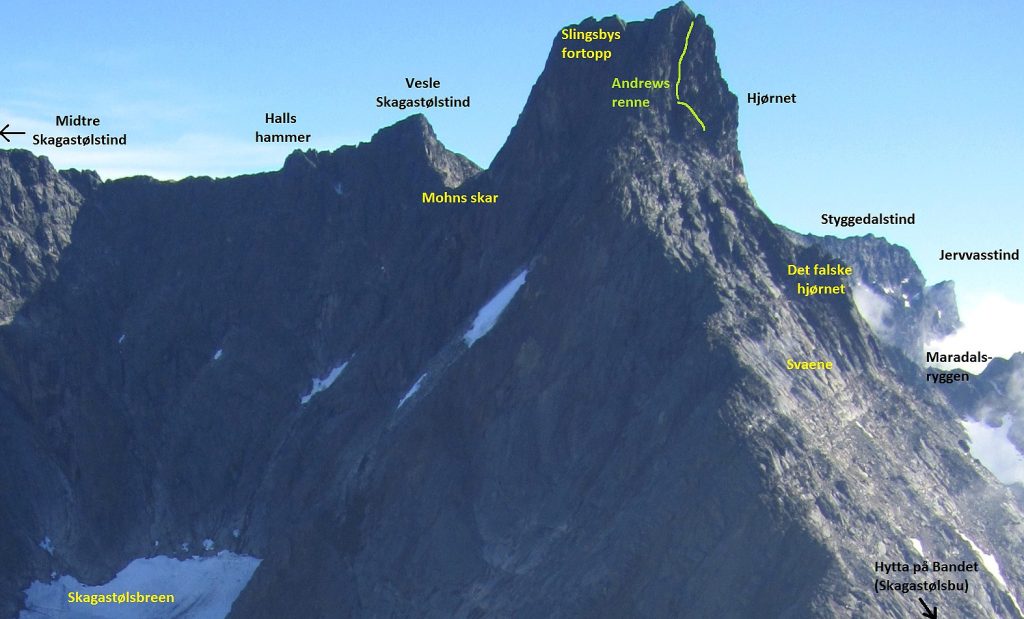
If you are building a Norway mountain itinerary that prioritises classic alpine objectives, Storen belongs near the top. Its position in the Hurrungane range places it among some of the most dramatic peaks in Scandinavia, with neighbours like Vetle Skagastølstind, Midtre Skagastølstind, Sentraltind, and Jervvasstind forming a tight cluster of serious terrain. The mountain’s history is deeply woven into Norwegian mountaineering’s golden age. The first ascent by William Cecil Slingsby in 1876 was hailed as a major achievement, and the routes that followed—particularly Heftyes renne (Heftye’s couloir) and Andrews renne (Andrew’s couloir)—have become benchmark lines for climbers seeking a genuine alpine challenge. Turtagrø Hotel, a historic base for the region, remains the traditional starting point. For anyone serious about ticking Norway’s highest peaks with an eye on difficulty and character, Storen is essential.
The SummitClimbs Snapshot
- Height: 2405 m (7890 ft) – Norway’s third highest mountain.
- Location: Border of Luster and Årdal municipalities, Vestland county, in the Hurrungane range.
- Neighbouring peaks: Vetle Skagastølstind and Midtre Skagastølstind to the north; Sentraltind and Jervvasstind to the east.
- First ascent: William Cecil Slingsby, 21 July 1876.
- Classic routes: Heftyes renne (Heftye’s couloir) and Andrews renne (Andrew’s couloir).
- Difficulty: Fairly difficult; requires mountaineering experience, rope work, and comfort with exposure.
- Best suited for: Experienced alpine climbers with a solid head for steep snow, ice, and rock. Not recommended for beginners or those seeking a straightforward hike.
Route Reality and Local Conditions
Most ascents of Storen follow Heftyes renne, the couloir named after Johannes Heftye, who climbed it in 1880. This route is more difficult than Slingsby’s original line and demands careful footwork on steep snow and ice, especially in early season when conditions are harder. Later in the summer, the couloir can become rockier, but the exposure remains constant. Andrews renne, used by A. W. Andrews and his party in 1899 for the first ascent of that line, offers a different character—generally considered slightly less steep but still a serious alpine route that requires solid technique and route-finding ability.
Approach times vary with fitness and snow conditions, but expect a full day from Turtagrø. The mountain is not technical in the sense of sustained hard rock climbing, but the combination of altitude, weather volatility, and steep terrain means you must be prepared for rapid changes. Cloud can close in without warning, making navigation on the upper mountain tricky. Local conditions reports from the Hurrungane area are essential before setting out. The mountain’s popularity means you will often share the route with other parties, but that does not diminish the seriousness of the ground.
What to Watch For
Exposure and Route Selection
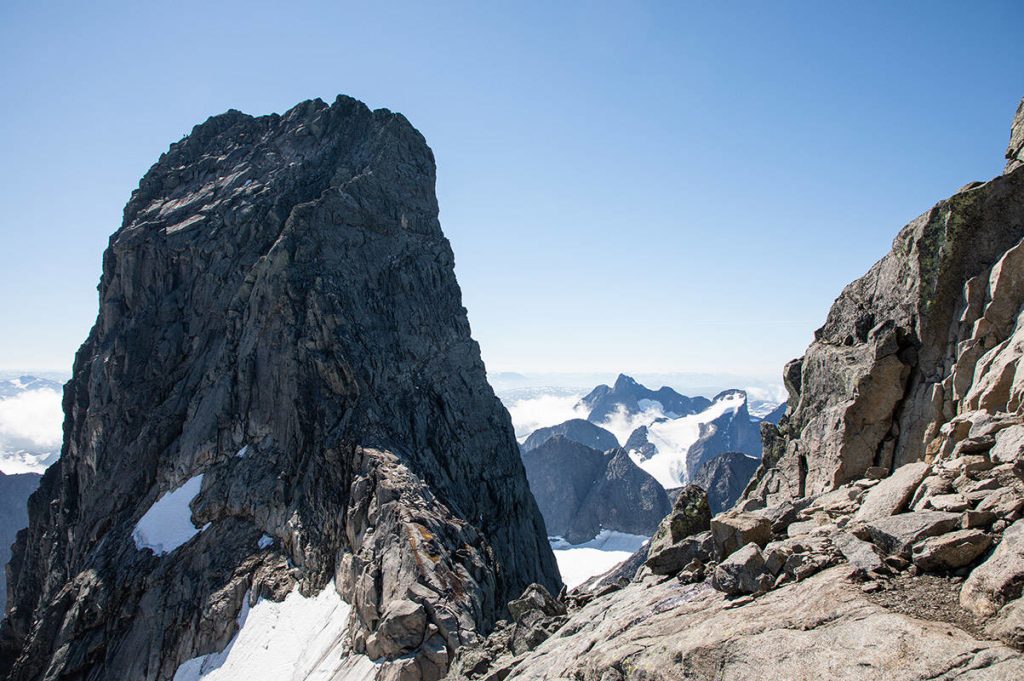
Heftyes renne is the standard, but it is not forgiving. The couloir steepens significantly near the top, and loose rock can be a hazard, especially later in the season when the snow has melted out. Andrews renne offers a slightly different angle but still requires careful belaying in sections. Know which route you intend to climb and have a clear plan for descent, as reversing the couloir can be more awkward than ascending it.
Weather Windows
Norwegian mountain weather is famously fickle. Storen sits high enough that storms can roll in fast, turning a straightforward couloir into a dangerous proposition. Start early, monitor forecasts from reliable sources, and be willing to turn back if conditions deteriorate. The summit is not going anywhere.
Historical Context and Ego
Storen carries a rich history that adds depth to the climb. The rivalry between Slingsby and Heftye is well documented: Heftye felt his first ascent of Store Knutsholstinden was unfairly overshadowed by Slingsby’s Storen climb. Heftye downplayed the difficulty of his own Storen route to emphasise that Store Knutsholstind was equally challenging. Later, when Slingsby ascended Store Knutsholstind via a straightforward route guided by Marie Sønstenes—a woman Heftye openly opposed in mountaineering—Heftye was humiliated. This history reminds us that the mountains do not care about reputation. They reward competence and humility.
Gear and Preparation
Bring a rope, crampons, ice axe, and helmet as a minimum. Protection on the couloir can be limited, so familiarity with snow and ice anchors is important. A GPS with waypoints for the approach and descent is wise, especially if visibility drops. Do not rely solely on mobile phone coverage; it is patchy in the Hurrungane.
The SummitClimbs Take
Store Skagastølstind is a classic for good reason. It offers a genuine alpine day in a spectacular setting, with routes that have tested climbers for over a century. It is not a mountain for the unprepared, but for those with the skills and the discipline to read conditions honestly, it delivers one of Norway’s most satisfying summit experiences. The history adds texture, but the real story is written in the rock and snow of the couloirs. SummitClimbs recommends this peak for experienced mountaineers who value route quality over summit count. If that describes your approach, put Storen on your list—and treat it with the respect it demands.
Keep the Trails Alive
Summit Climbs is free — no ads, no paywalls, no sponsored fluff.
Every guide is written from real experience to help your next adventure.
If it helped, a small support means the world and keeps the site running.