SummitClimbs Field Note: Norway’s mountains are not a casual day out. They demand respect for weather windows, route-finding in variable light, and an honest assessment of your fitness. That said, for anyone who plans carefully and reads conditions, the rewards are among the finest in Europe. This is not hype—it’s what we’ve observed across multiple seasons.
Why This Place Belongs on a Norway Mountain Plan
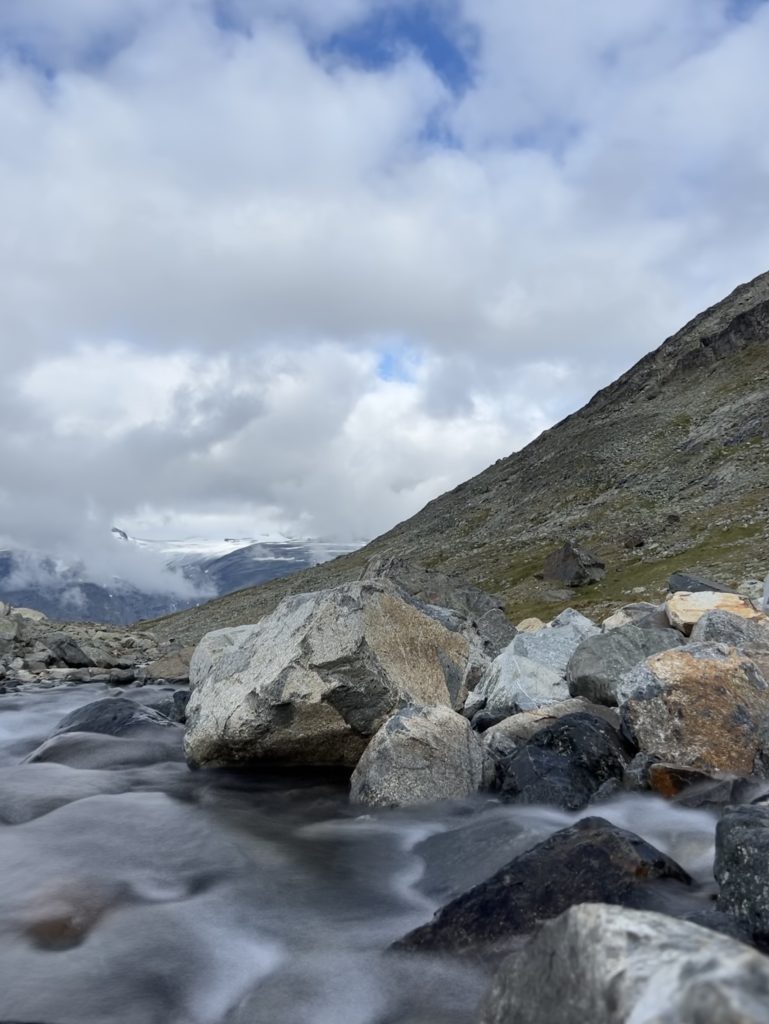
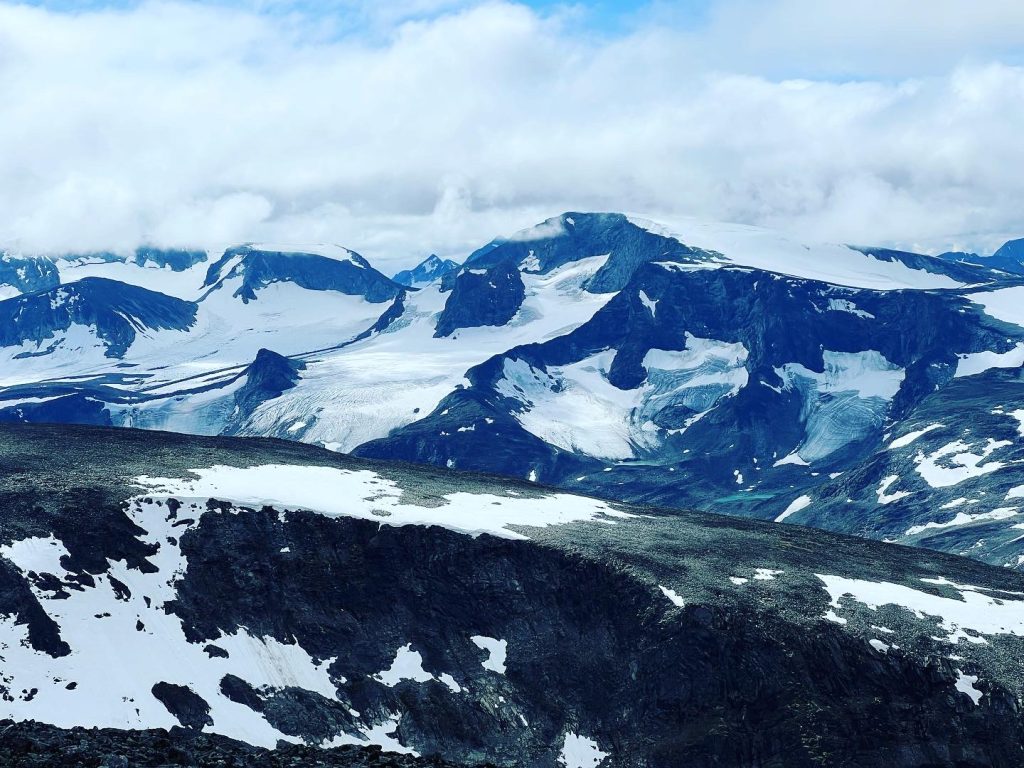
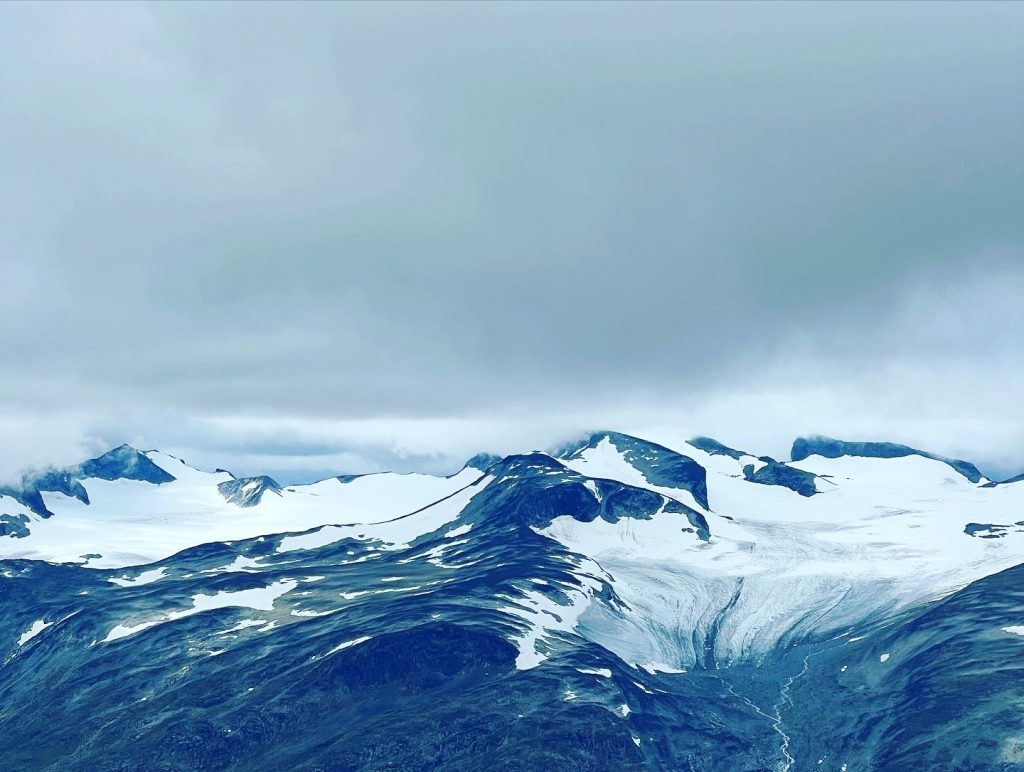
Norway’s mountain landscape is a direct product of ice-age sculpting—glaciers carved deep fjords and left a terrain that is rugged, exposed, and often wet. This is not the polished Alps. It is raw, with sudden weather shifts and trails that can disappear into snow patches well into July. But that same geology gives you something rare: a sense of real wilderness within reach of infrastructure. The Jostedalsbreen Glacier, for instance, is the largest ice cap in mainland Europe, and you can stand near its edge without a mountaineering permit. For the prepared hiker, that proximity is a gift.
The SummitClimbs Snapshot
Best for: Hikers who want a mix of marked trails and genuine exposure, plus the chance to see the Northern Lights in autumn or early spring. Not for beginners looking for a gentle ramble.
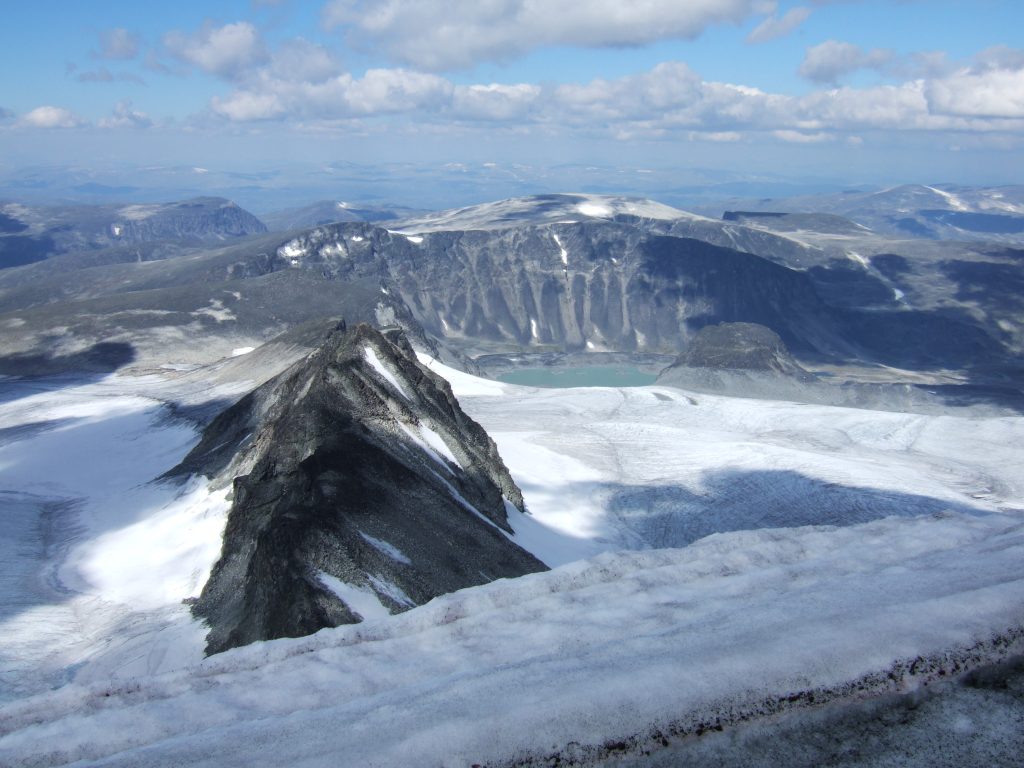
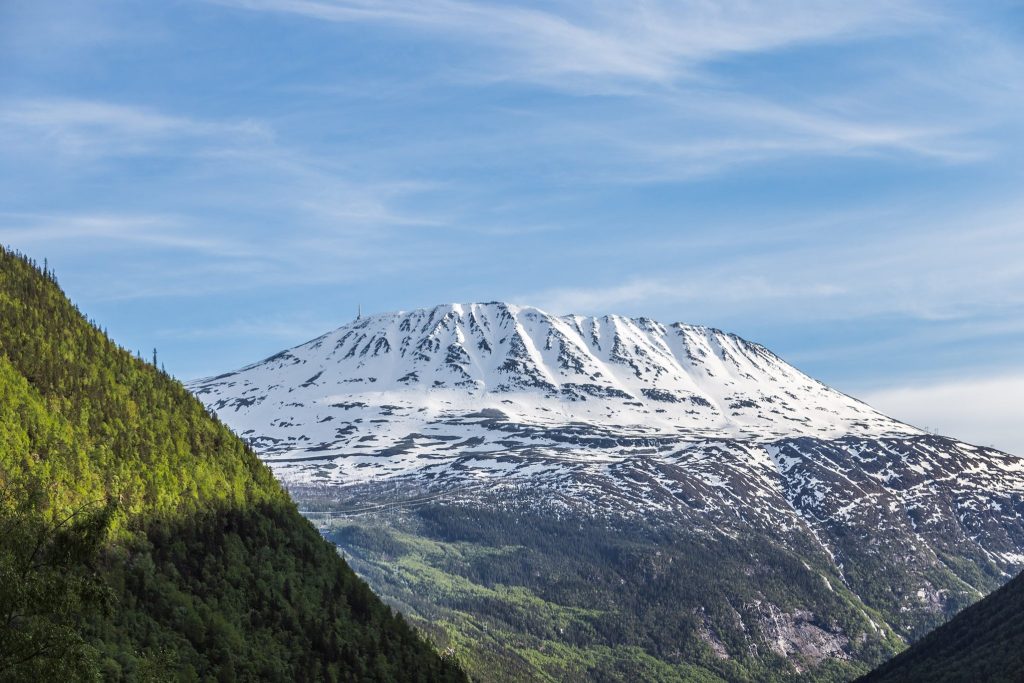
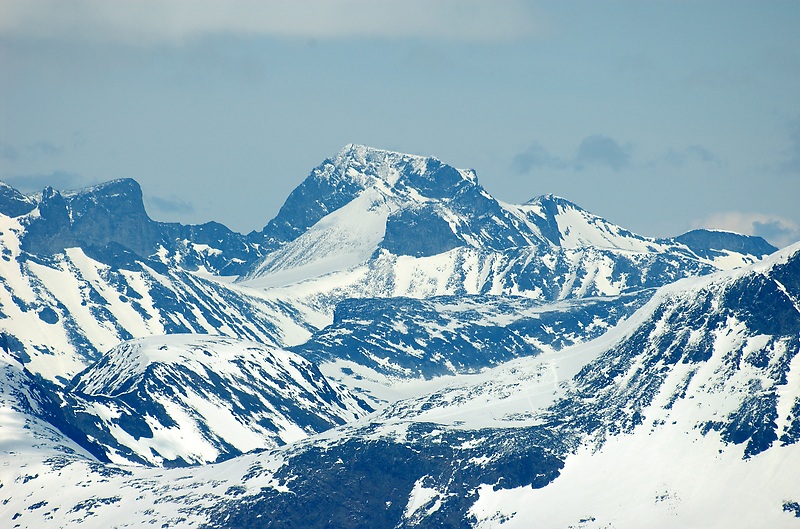
Key peaks: Galdhøpiggen (2,469 m) is the highest in Northern Europe and accessible via a non-technical route in good weather. Trolltunga is a dramatic rock ledge at 700 m over Lake Ringedalsvatnet—iconic, but the hike is a long day with no shortcuts.
Access: The Norwegian Trekking Association (DNT) maintains a network of trails and cabins. These are reliable but book ahead in peak season (July–August). Many trailheads require a ferry or a gravel road drive; factor in extra time.
Season: Mid-June to mid-September is the core hiking window. For Northern Lights, aim for September–March, but expect snow and limited daylight.
Route Reality and Local Conditions
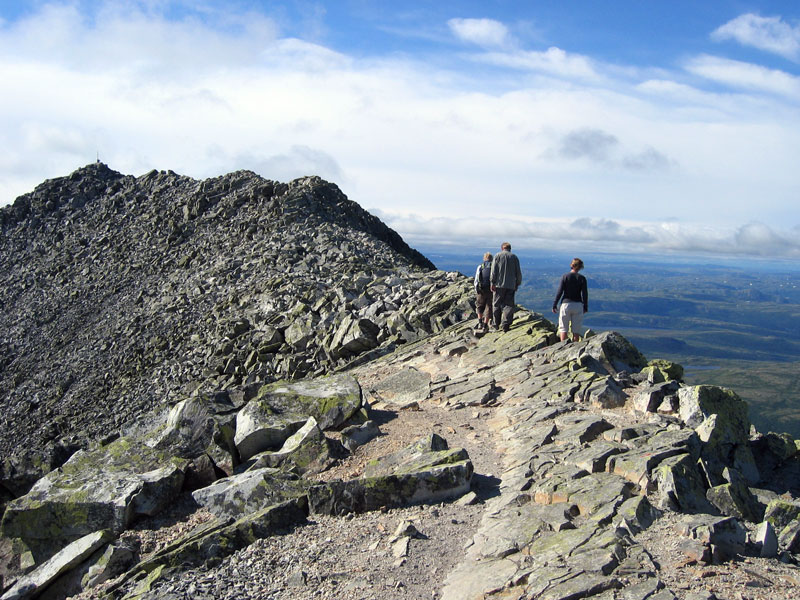
The hike to Trolltunga is the most famous, and for good reason. It is 20–28 km round-trip depending on your start point, with 800–900 m of elevation gain. The trail is well-marked but rocky and wet in sections. Most people underestimate the time—plan for 10–12 hours, not the optimistic 8 you read online. Start before dawn to avoid afternoon thunderstorms and the worst of the crowds. The ledge itself is not fenced; the drop is sheer. SummitClimbs recommends you check the weather forecast at the tourist office in Odda the morning of your hike, not the day before.
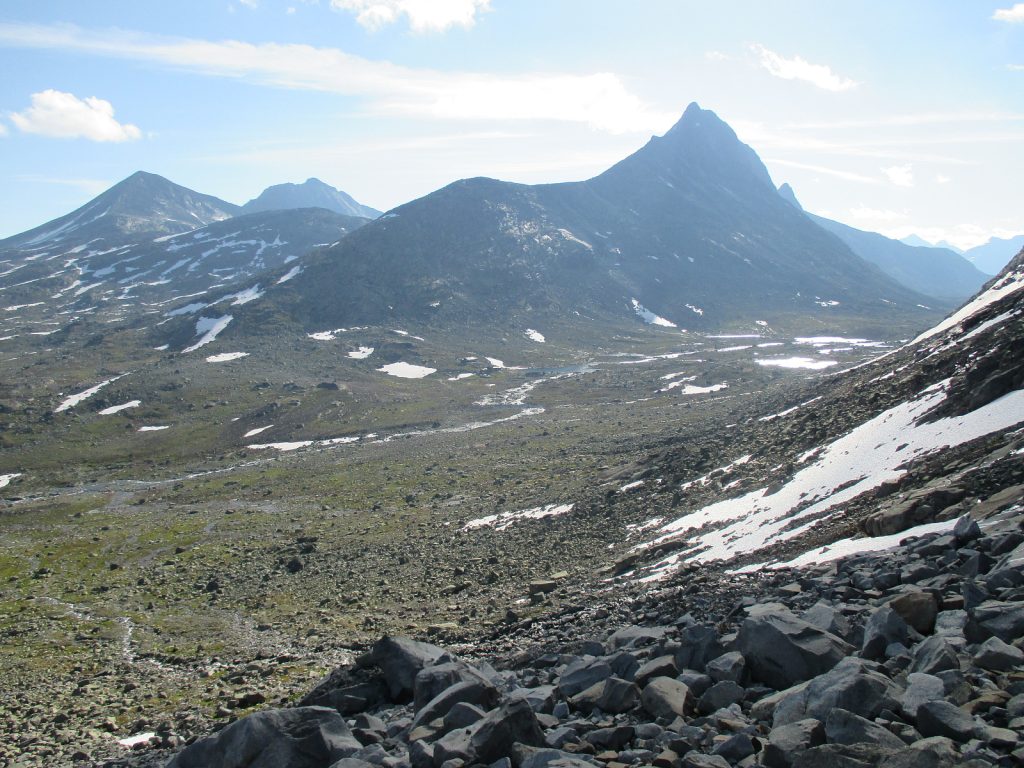
Galdhøpiggen is a different beast. The standard route from Juvasshytta involves a glacier crossing (crampons and rope required, even in August) unless you take the longer but glacier-free path from Spiterstulen. The summit is a broad, rocky plateau with 360-degree views over Jotunheimen National Park. Do not attempt the glacier route without a guide or proven crevasse-rescue skills—every year, someone pays for that mistake.
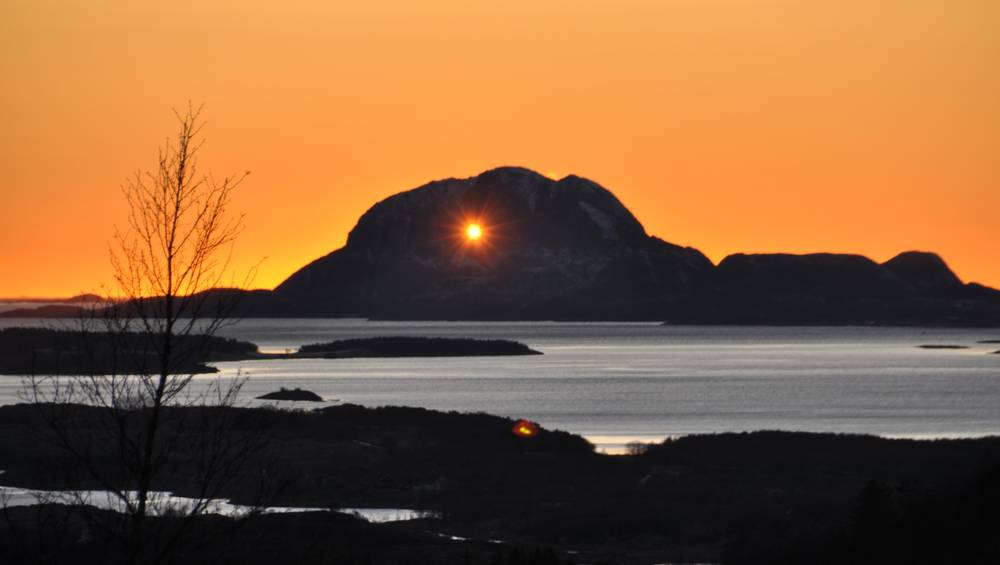
For Northern Lights viewing, head north of the Arctic Circle—places like the Lyngen Alps or the Lofoten Islands. The mountains block light pollution from towns, and the clear, cold air improves visibility. But the lights are fickle; you need a combination of solar activity, clear skies, and patience. SummitClimbs suggests a minimum three-night stay in a remote cabin, not a single night in a tourist lodge.
What to Watch For
- Weather volatility: A sunny start can turn into freezing rain and whiteout within 90 minutes. Always carry a waterproof shell, insulating layer, map, compass, and a headlamp—even on a day hike.
- Trail crowding: Trolltunga and the Besseggen Ridge are busy in July–August. If you want solitude, aim for the less-publicized routes in Rondane or Dovrefjell.
- Wildlife: Reindeer and Arctic fox are present but wary. Do not approach. Birdlife is abundant, especially along the western fjords. Leave no food scraps.
- Cultural respect: Norwegian “allemannsretten” (right to roam) allows camping on uncultivated land, but it comes with a duty to leave no trace. Fires are banned in summer in many areas due to fire risk.
- Water: Streams are generally safe to drink from, but treat if near grazing areas or below cabins.
The SummitClimbs Take
Norway’s mountains are not a checklist. They are a place to move through with intention—to read the sky, to feel the weight of your pack, to understand why a glacier-fed lake is that particular shade of blue. The infrastructure is excellent, but it will not save you from poor decisions. If you come prepared—physically, mentally, with solid gear and a flexible schedule—you will find a landscape that delivers on its reputation. If you rush, you will miss it. SummitClimbs has seen both outcomes. Choose the first.
Keep the Trails Alive
Summit Climbs is free — no ads, no paywalls, no sponsored fluff.
Every guide is written from real experience to help your next adventure.
If it helped, a small support means the world and keeps the site running.