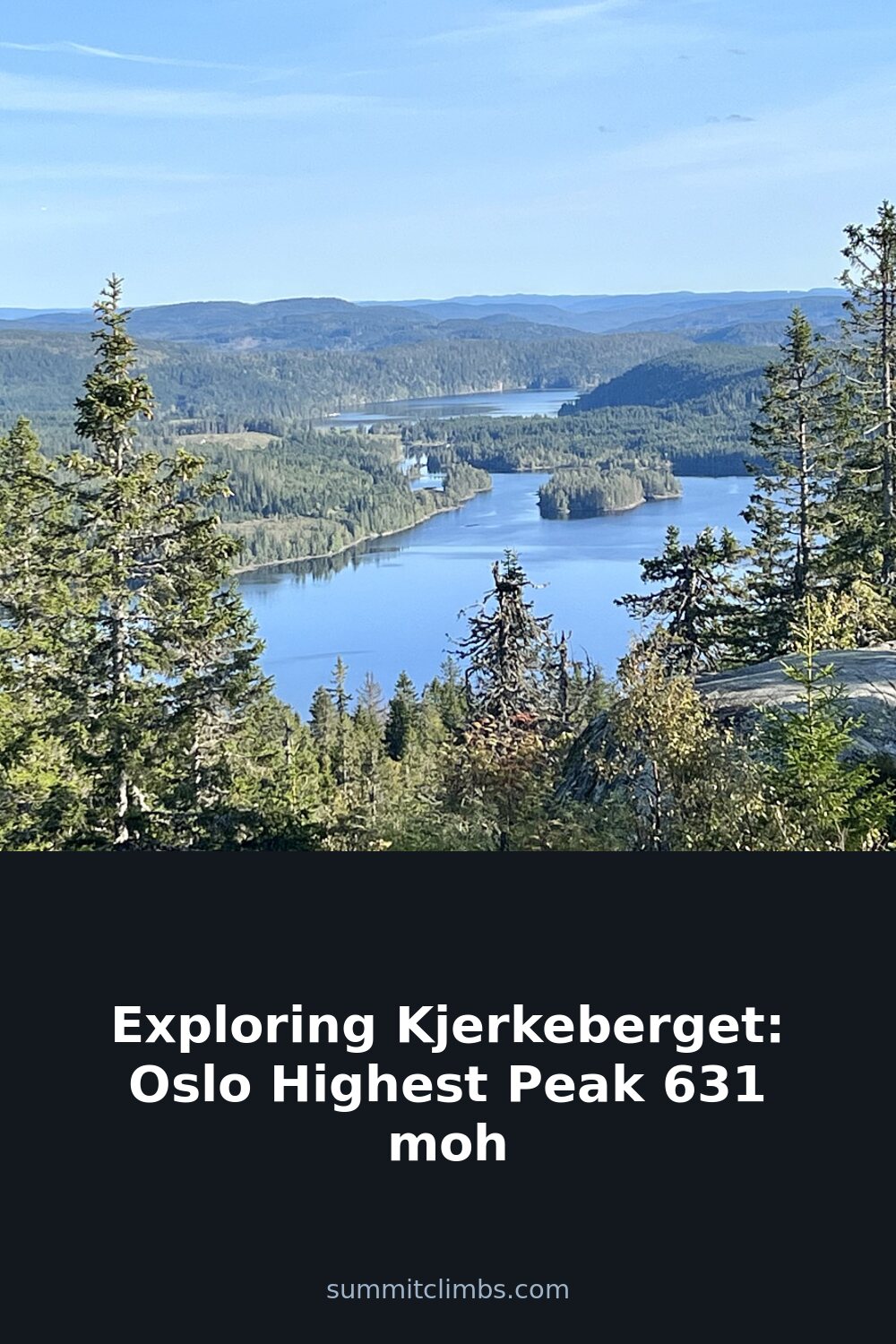
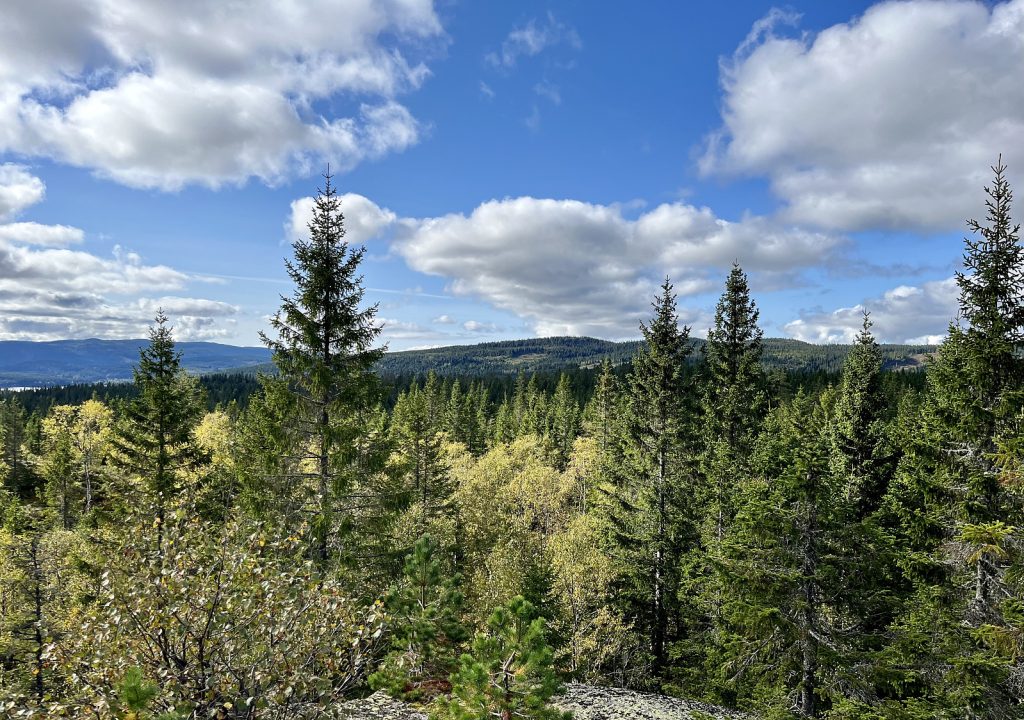
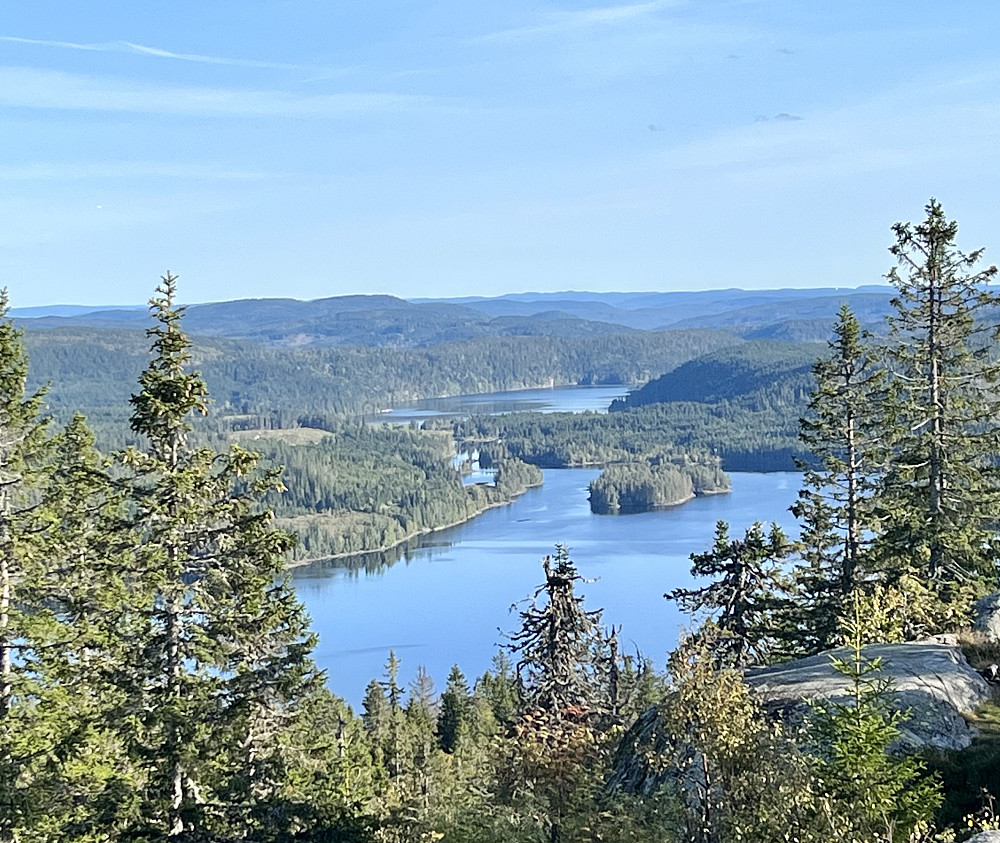
SummitClimbs Field Note: Kjerkeberget, rising to 631 meters above sea level, holds the distinction of being the highest point within Oslo’s city limits. Tucked into the Nordmarka forest north of the urban core, it offers a genuine highland experience without demanding a full expedition from the capital. This is a day-trip summit built for hikers, runners, and cross-country skiers who want a practical, scenic outing with reliable access and a view that stretches over the fjord and surrounding forests. The terrain is honest, the approach is straightforward, and the payoff—a broad panorama of city, water, and wilderness—is quietly satisfying.
Why This Place Belongs on a Norway Mountain Plan
Oslo’s highest point is not a dramatic peak, and that is precisely the point. Kjerkeberget is a quiet, forested summit that rewards effort with a wide-angle view of the city, Oslofjord, and the rolling Nordmarka wilderness. For anyone building a Norway itinerary that balances urban comfort with real mountain contact, this is a low-risk, high-reward addition. The trails are well-marked, the elevation gain is manageable, and the cultural weight—rooted in timber history, wartime resistance, and the deep Norwegian tradition of friluftsliv—adds a layer of meaning to the walk.
This is not a place for adrenaline seekers or those chasing technical rock. It suits the traveler who wants to feel the shift from pavement to pine, from café chatter to wind in the treetops, without sacrificing a full day. The route is accessible by public transport, and the forest network allows for flexible loop options. You can stretch the outing into a half-day or a full day depending on your pace and appetite for exploration. The summit itself is a broad, rocky area with room to sit and absorb the view—but no shelter, so pack for the conditions you expect and the ones you don’t.
The SummitClimbs Snapshot
- Location: Nordmarka forest, north of Oslo city center
- Elevation: 631 meters (2,070 feet)
- Access: Public transport to trailheads; marked paths year-round
- Terrain: Mixed forest, rocky outcrops, some boggy sections after rain
- Season: Hiking from late spring to early autumn; cross-country skiing in winter
- Suits: Day hikers, trail runners, winter skiers, families with moderate fitness
Route Reality and Local Conditions
The approach to Kjerkeberget is straightforward but deserves respect for its variability. Trails begin from multiple points in Nordmarka, with the most common routes starting near Frognerseteren or Sognsvann. The ascent is steady rather than steep, winding through dense pine and spruce forest before opening onto rocky summit slabs. The final section is exposed in places, and wind can pick up sharply—even on calm days below. SummitClimbs recommends treating this as a real mountain outing, not a casual park stroll, because conditions can shift quickly once you leave the treeline.
In summer, the path is dry and easy to follow, but after rain, sections of boggy ground can slow progress and muddy your boots. The forest floor holds moisture well, and what looks like solid ground can be deceptive. In winter, the same trails become groomed ski tracks, and snow can obscure the route entirely. SummitClimbs advises carrying a map or using a reliable GPS app, as junctions multiply in the forest and it is easy to take a longer loop than intended. The summit itself offers no windbreak, so plan your pause accordingly. A sit pad and a thermos go a long way here.
Wildlife encounters are common. Moose and deer move through the forest, and birdlife is abundant. Keep a respectful distance and store food securely if stopping for a meal. The forest is also home to smaller creatures that will investigate unattended packs. This is a working landscape with a history of timber extraction, and you may encounter logging roads or equipment in the lower sections. Stay on marked trails and respect any signage related to forestry operations.
The cultural depth of Nordmarka adds another dimension. During World War II, the forest served as a hideout for resistance fighters, and remnants of their presence can still be found if you know where to look. For the curious hiker, this layer of history enriches the walk. For the practical planner, it underscores the importance of route knowledge—this is not a wilderness in the remote sense, but it is a place where being prepared matters.
What to Watch For
- Weather shifts: The summit is exposed. Check the forecast and bring an extra layer even on a sunny start. Wind chill can be significant.
- Trail junctions: Marking is good but not infallible. Know your exit point and carry a backup navigation method, especially in winter.
- Winter conditions: Ski trails are groomed, but hiking boots may not suffice in deep snow. Use skis or snowshoes as appropriate. The terrain changes completely under snow cover.
- Timing: Daylight hours vary dramatically by season. Plan to be off the mountain before dusk, especially in autumn and winter when the light fades fast.
- Leave no trace: This is a cherished recreational area. Pack out all waste and avoid disturbing wildlife. The forest is heavily used, and its cleanliness depends on every visitor.
- Water sources: Streams are present but not guaranteed year-round. Carry enough water for the full outing, especially in summer.
The SummitClimbs Take
Kjerkeberget is a solid, accessible summit that delivers exactly what it promises: a genuine high point in Oslo’s backyard, with views and terrain that feel far removed from the city. It is not a technical climb or a wilderness epic, and it does not need to be. For the traveler who wants to experience Norway’s mountain culture without committing to a multi-day trek, this is a practical, rewarding choice. The history of the Nordmarka forest—from timber extraction to resistance hideouts—adds a layer of meaning to the walk, and the broad summit view reminds you that even modest elevations can offer expansive perspectives.
SummitClimbs rates it as a strong option for a half-day outing, especially for those new to Norwegian terrain or looking for a quiet escape that still fits a city-based schedule. The route is forgiving enough for families with moderate fitness, yet engaging enough for trail runners seeking a loop with vertical gain. Winter transforms the experience entirely, turning the forest into a ski corridor that connects to the larger Nordmarka network. If you time it right, you can ride the metro from central Oslo to the trailhead and be on the summit within two hours of leaving your hotel. That kind of access is rare, and Kjerkeberget makes the most of it.
The mountain does not demand much, but it rewards attention. Pay attention to the weather, respect the forest, and plan your route with care. Do that, and Kjerkeberget will give you a quiet, memorable day in the highlands of Oslo—no expedition required.
Keep the Trails Alive
Summit Climbs is free — no ads, no paywalls, no sponsored fluff.
Every guide is written from real experience to help your next adventure.
If it helped, a small support means the world and keeps the site running.