SummitClimbs Field Note: Trysil sits roughly 210 kilometers northeast of Oslo, a 2.5- to 3-hour drive depending on traffic and road conditions. The route follows the E6 and Rv3, passing through classic Norwegian countryside—pine forests, frozen lakes in winter, green river valleys in summer. Access is straightforward for a self-drive trip; bus services (notably the Trysil Express) run from Oslo and take about three hours with Wi-Fi and luggage space. If you prefer rail, take the train from Oslo to Elverum (1.5 hours), then a taxi or local bus for the remaining 70 kilometers. No train station in Trysil itself, so that last leg requires planning. The town’s remote character is part of its appeal, but it also means fewer transport options and a quiet, self-contained vibe. Budget accordingly: accommodation, food, and activities run premium, especially peak winter. This isn’t a budget destination.
Why This Place Belongs on a Norway Mountain Plan
Trysil is best known for Trysilfjellet, Norway’s largest ski resort—over 70 kilometers of groomed slopes, modern lifts, terrain parks, and cross-country tracks. That’s the headline. But the real value for a mountain traveler is the year-round access. Winter brings reliable snow and well-maintained pistes that suit everyone from first-timers to experts. Summer and fall shift the focus: Trysil Bike Arena offers a substantial network of mountain biking trails graded for all abilities, while hiking, fishing, and canoeing open up the surrounding rivers, forests, and low alpine terrain. The family-friendly infrastructure is genuine—child slopes, ski schools, nature playgrounds, easy bike paths—so if you’re traveling with kids, this is one of the more forgiving Norwegian mountain bases. The downsides are real: costs are high, nightlife is minimal (a few bars and après-ski spots, nothing more), and the remote location means you’re committed to the area once you arrive. That suits a focused outdoor trip, not a city-break hybrid.
The SummitClimbs Snapshot
- Best for: Skiers and snowboarders of all levels; mountain bikers (summer); families; anyone wanting a single-base, multi-activity Norwegian mountain holiday.
- Not for: Budget travelers; those seeking nightlife or urban amenities; solo climbers looking for technical alpine objectives (this is resort-based terrain, not expeditionary).
- Access: 2.5 hours by car from Oslo (E6/Rv3); 3 hours by bus (Trysil Express); train to Elverum + taxi/bus (1.5 hr train + 1 hr road).
- Crowds: Peak winter weekends can be busy on main slopes; summer and fall are quieter. Norwegian school holidays spike demand.
- Cost: High. Expect premium pricing for accommodation, lift passes, bike rentals, and dining. Book early for better rates.
Route Reality and Local Conditions
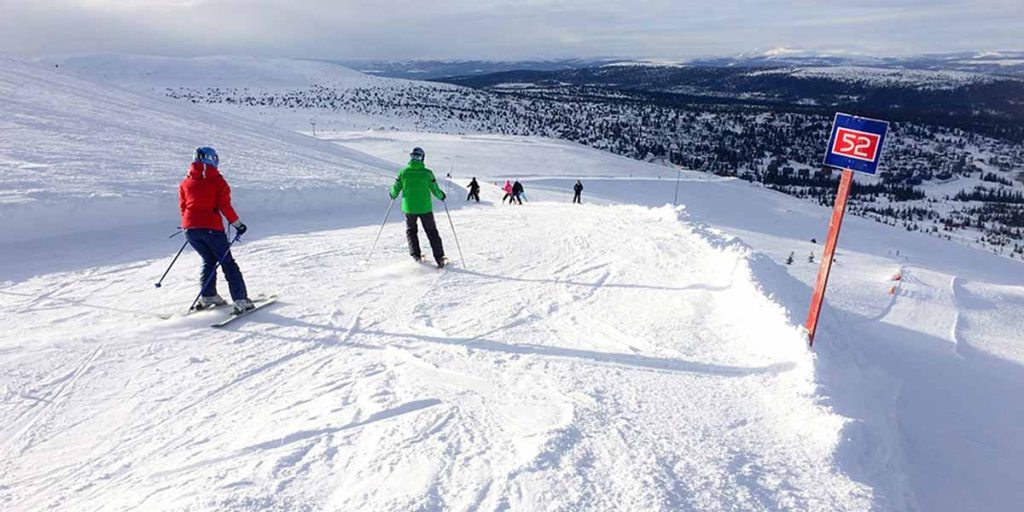
The ski terrain at Trysilfjellet is predominantly intermediate-friendly, with wide, groomed runs that hold snow well. Advanced skiers will find steeps and off-piste options, but this isn’t Chamonix—it’s a family resort with solid, reliable skiing. The lifts are modern and efficient; queues are manageable outside peak holiday weeks. Cross-country tracks are extensive and well-marked, connecting to the broader network. In summer, the Bike Arena trails are purpose-built, with flow trails, technical sections, and uplift options. Hiking routes vary from short nature walks to longer valley traverses; the terrain is gentle by Norwegian standards, with no serious exposure. Conditions are typical for inland Eastern Norway: cold winters (regularly below freezing from December through March), reliable snow cover, and mild summers with occasional rain. Check local snow and trail reports before committing to a specific week—weather windows matter, even in a resort setting.
What to Watch For
Cost creep: Norway is expensive; Trysil is no exception. Meals, lift tickets, and gear rentals add up fast. Bring what you can, cook some meals if your accommodation allows, and book lift passes or bike tickets online in advance for marginal savings. Limited après: If you want a lively ski-town nightlife, Trysil isn’t it. A few bars and restaurants serve the après-ski crowd, but options are thin. Plan for quiet evenings. Remote logistics: No train station in town. If you’re not driving, the bus is the simplest option, but schedules are limited outside peak season. The Elverum-to-Trysil taxi leg can be pricey—confirm costs before booking. Summer vs. winter identity: Winter is the prime season; summer infrastructure is solid but quieter. If you visit in July or August, expect fewer services and some facilities operating on reduced hours. Weather variability: Inland Norway can swing between clear, cold days and sudden storms. Always carry layers, a headlamp, and basic navigation tools—even on marked trails.
The SummitClimbs Take
Trysil earns its reputation as Norway’s premier resort-based outdoor destination, but that reputation comes with caveats. It’s not an alpine playground for hardcore mountaineers or a budget-friendly escape. It’s a well-run, family-oriented mountain base that delivers consistent access to skiing, biking, and hiking in a stunning but quiet setting. For SummitClimbs readers planning a Norwegian mountain trip, Trysil works best as a self-contained week-long destination—especially for families or groups mixing skill levels. The proximity to Oslo is a genuine advantage: you can fly into Oslo, grab a bus or rental car, and be on snow or trail within three hours. Just go in with eyes open about the costs and the quiet evenings. If that fits your trip, Trysil delivers exactly what it promises: solid, accessible, year-round mountain adventure without the crowds of the Alps or the logistical challenges of Norway’s more remote ranges.
Keep the Trails Alive
Summit Climbs is free — no ads, no paywalls, no sponsored fluff.
Every guide is written from real experience to help your next adventure.
If it helped, a small support means the world and keeps the site running.