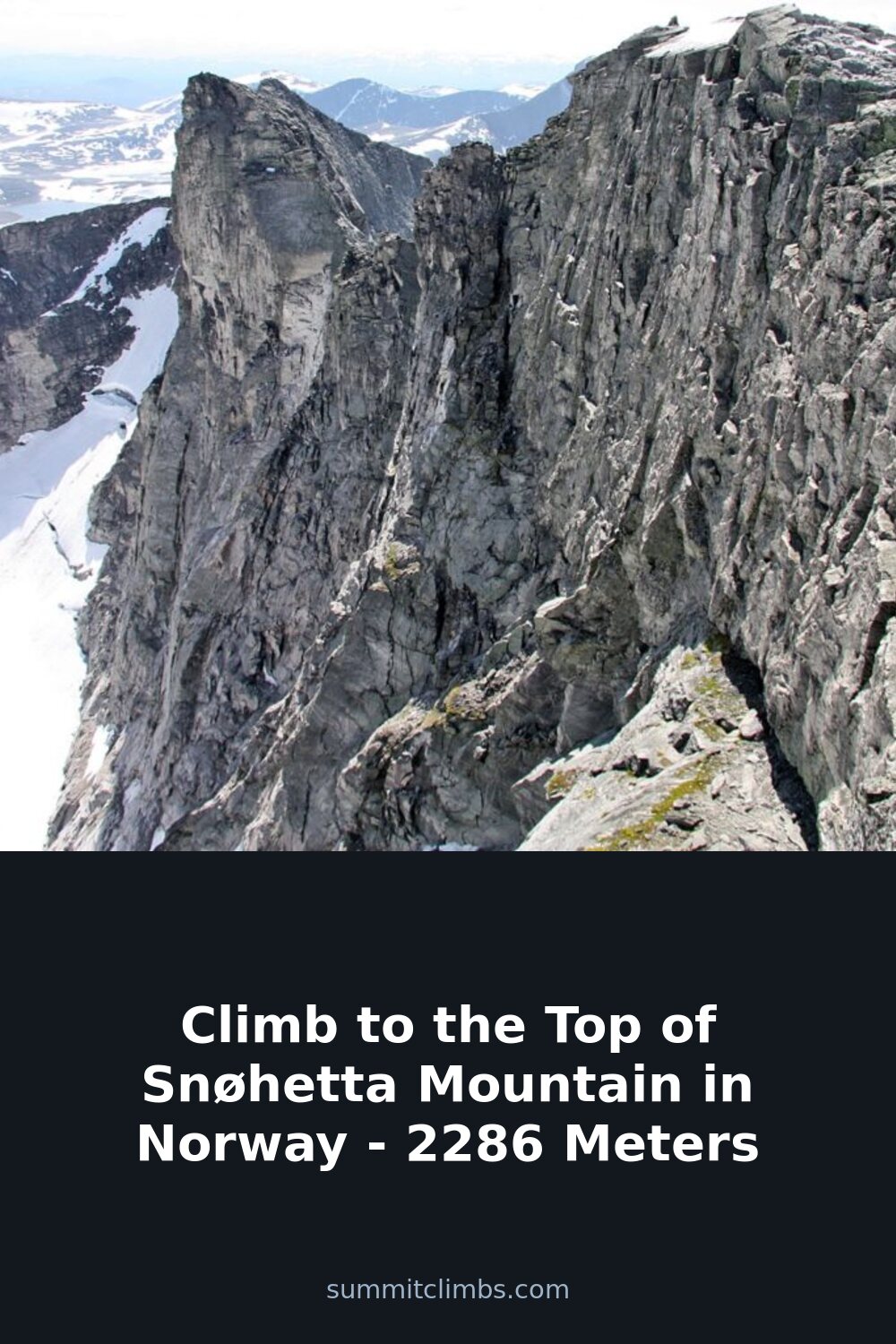
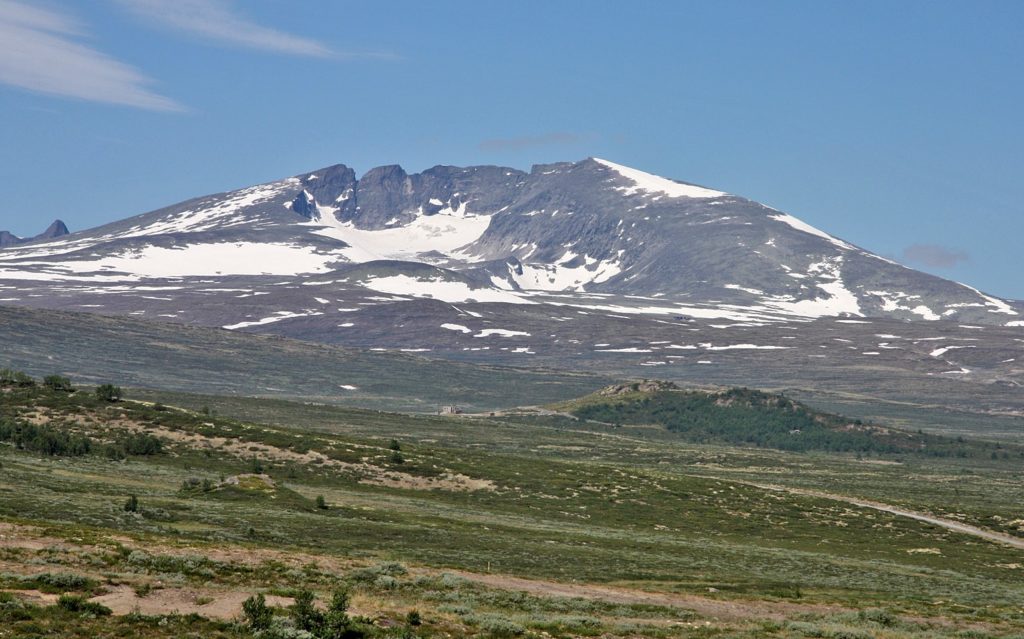
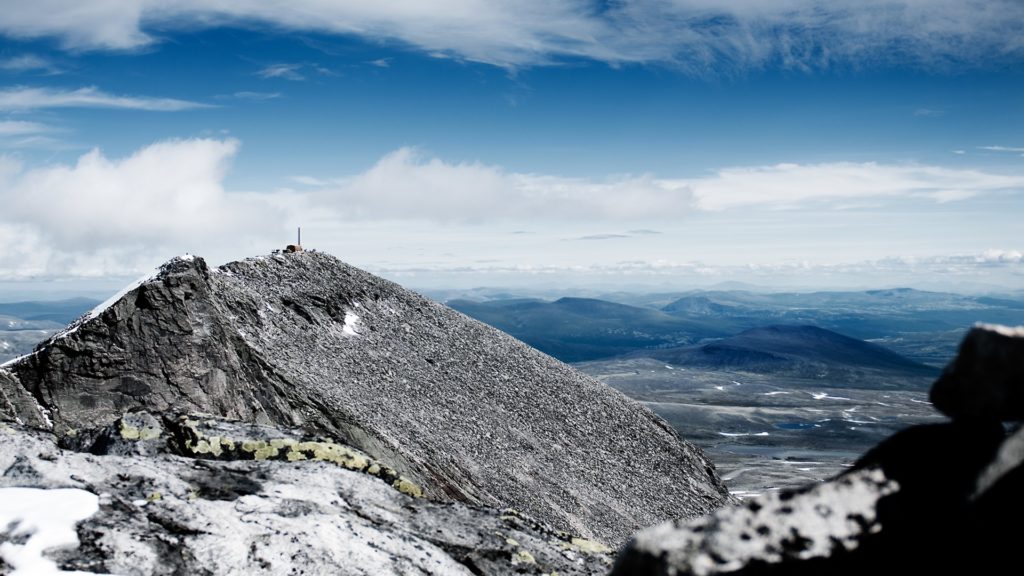
SummitClimbs Field Note: Snøhetta is the kind of mountain that earns its place on a list not just by height, but by history. At 2,286 meters, it’s Norway’s 24th highest peak, but its topographic prominence—third in the country—means the view from the top opens up in a way that many taller, more crowded summits cannot match. This is a practical, accessible climb for anyone with a solid fitness base and a tolerance for high-alpine weather shifts. The summit is not wilderness untouched; a radio station and helipad sit on Stortoppen, so if you want the cleaner experience, aim for Vesttoppen instead.
Why This Place Belongs on a Norway Mountain Plan
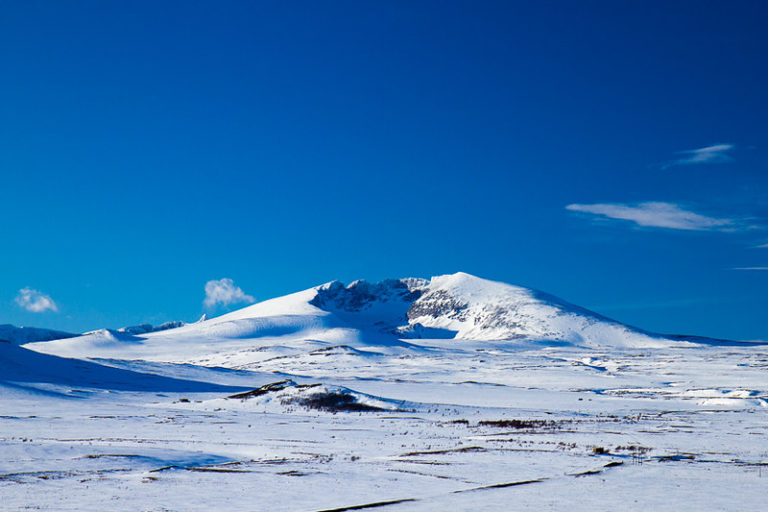
Snøhetta sits inside Dovrefjell-Sunndalsfjella National Park, in the municipality of Dovre, northern Innlandet county. It’s the highest peak in the park, and its location along the historic Oslo–Trondheim route means it’s been a landmark for centuries. In 1814, the phrase “til Dovre faller” was sworn at Norway’s Constituent Assembly—a nod to the mountain’s cultural weight. First climbed in 1798 by Jens Esmark, Snøhetta was long believed to be Norway’s highest peak, simply because the Jotunheimen giants were still off the map. Today, it’s a classic objective for anyone building a Norwegian mountain itinerary, especially if you want a summit that blends straightforward access with real altitude and a view that stretches across the Dovrefjell plateau.
The SummitClimbs Snapshot
- Elevation: 2,286 m (Stortoppen)
- Prominence: 1,675 m
- Isolation: 82.2 km
- Coordinates: 62°19′11″N 9°16′04″E
- First ascent: Jens Esmark, 1798
- Best season: Summer (June–September) and winter (March–May for ski)
- Difficulty: Non-technical on Stortoppen and Vesttoppen; rope required for Midttoppen via Hettpiggen
Route Reality and Local Conditions
Snøhetta has four named peaks. Stortoppen (2,286 m) is the main summit and the one most people tag. Vesttoppen (2,253 m) is a close second in popularity, and many experienced hikers prefer it for the cleaner summit—no radio mast, just a small monument to Peter Wessel Zapffe, the Norwegian philosopher and mountaineer. Midttoppen (2,278 m) and Hettpiggen (2,261 m) are less frequented. The traverse from Midttoppen via Hettpiggen to Vesttoppen requires rope work and is not a casual scramble.
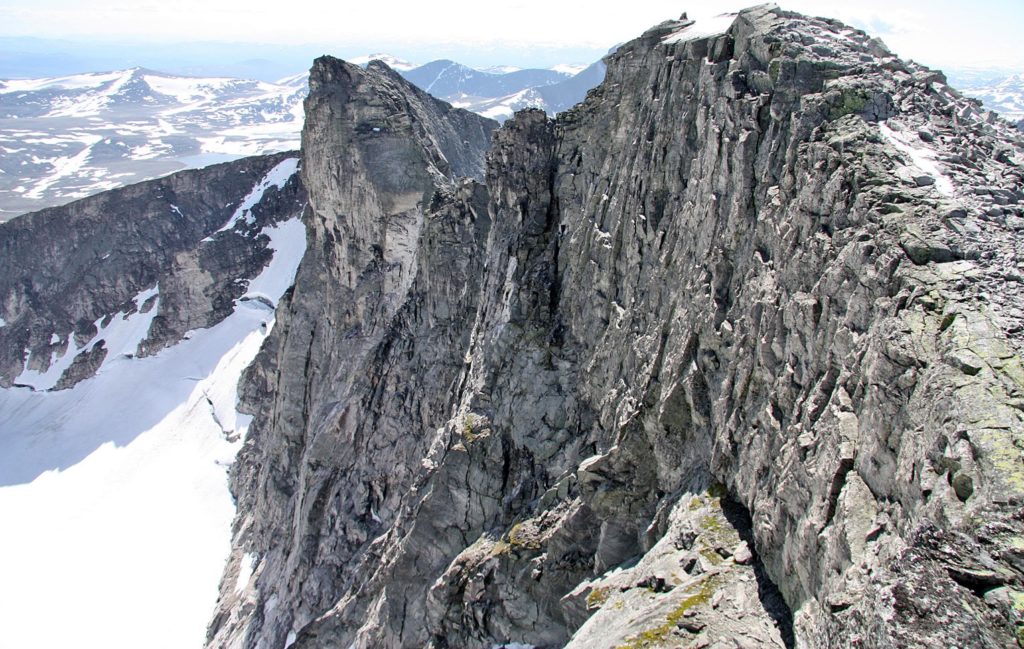
In good conditions, the ascent is straightforward. The most common approach starts from one of the DNT (Norwegian Trekking Association) huts: Reinheim, Snøheim, or Åmotdalshytta. Snøheim is the closest and most popular. From there, the route is a long, steady climb over rocky terrain and snowfields. In summer, expect bare rock and possible lingering snow patches near the top. In winter and spring, it’s a ski tour, and conditions can change fast—whiteouts are real here. The mountain sits in a national park, so you’ll need to respect camping restrictions and trail etiquette.
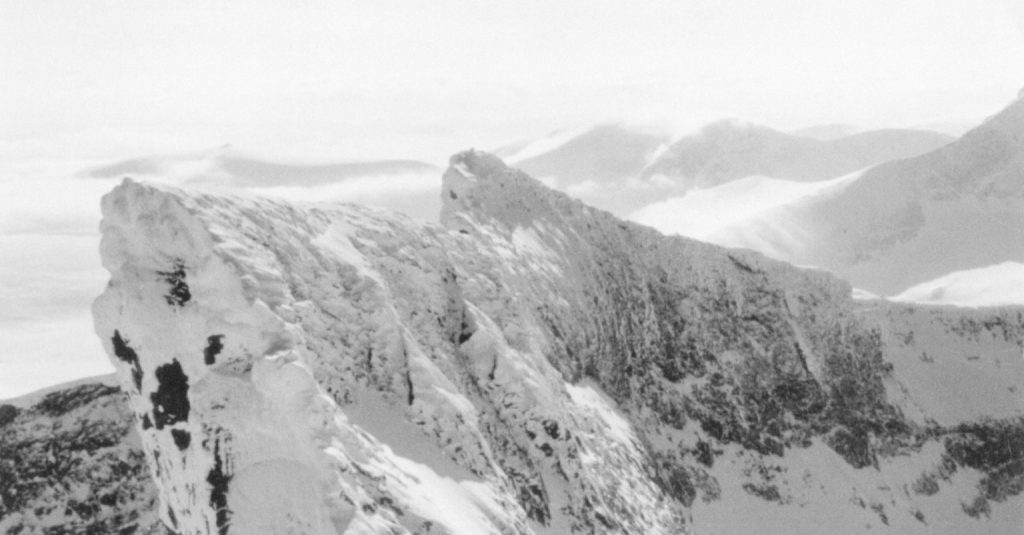
Weather on Snøhetta is the decisive factor. The summit is exposed, and even a stable forecast can turn into wind, rain, or snow within an hour. Check the local forecast from Yr.no or the DNT hut staff before you start. Start early, carry layers, and be ready to turn around if the cloud deck drops. The route is marked with cairns, but in poor visibility, navigation is not trivial—bring a map and compass, and know how to use them.
What to Watch For
- The radio station on Stortoppen: It’s functional, not scenic. A diesel generator and a helipad sit next to the summit. If you want the view without the infrastructure, climb Vesttoppen instead.
- Wind exposure: The Dovrefjell plateau funnels wind. Even a mild day in the valley can mean gale-force gusts on top. Gaiters, a shell, and a warm layer are non-negotiable.
- Snow bridges and crevasses: In late spring and early summer, snowfields can hide gaps. Stick to the established route and step carefully on steep snow slopes.
- Navigation in the cloud: Cairns help, but they’re not dense. If the summit disappears, don’t rely on a GPS alone—know how to pace and compass-bear.
- Park entry and hut bookings: DNT huts require advance booking in peak season. Snøheim fills up fast. Plan ahead, or bring a tent and camp below the tree line.
The SummitClimbs Take
Snøhetta is a solid, accessible high-altitude day in the Dovrefjell. It’s not a technical challenge, but the altitude, exposure, and weather make it a real mountain day, not a walk in the park. The cultural history adds a layer that few other Norwegian peaks of this height can match. If you’re building a Norway trip that includes a summit with prominence, a view, and a story, Snøhetta earns its place. Just pick Vesttoppen for the clean summit, and go early.
Keep the Trails Alive
Summit Climbs is free — no ads, no paywalls, no sponsored fluff.
Every guide is written from real experience to help your next adventure.
If it helped, a small support means the world and keeps the site running.